Best Backpacking Stoves for Weekend Trips: 8 Picks for Casual Hikers
Updated: 2026 | Reviewed by: Chris Mercer
Disclosure: As an Amazon Associate, we earn from qualifying purchases, at no extra cost to you.
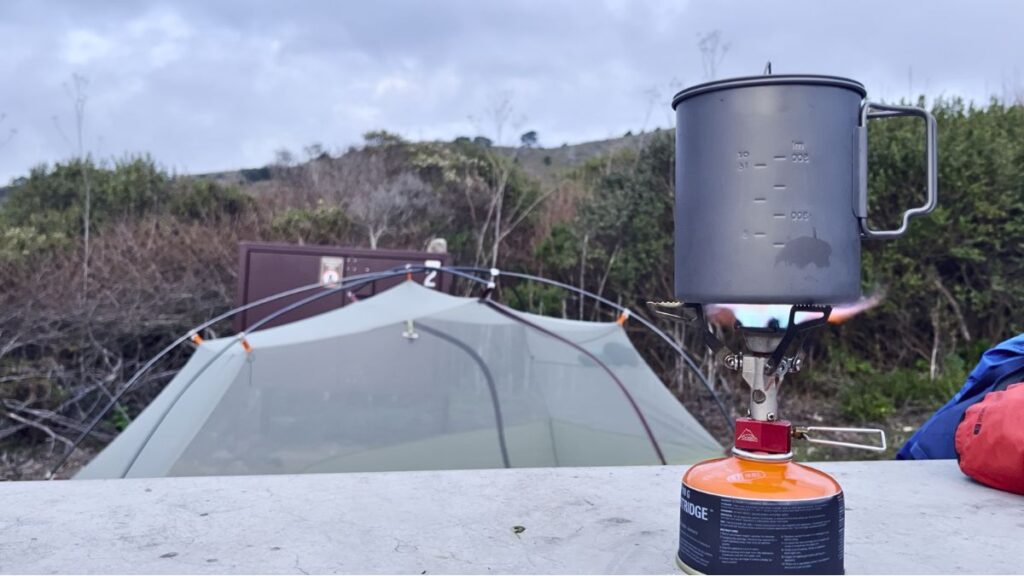
Most of the stove roundups you’ll find online are written for thru-hikers counting grams across 2,600 miles, which is not what almost anyone reading this is actually doing. If you’re heading out for a weekend in the Sierras or a couple of nights in the desert, the decision is simpler than those guides make it sound, and the best stove for you is probably not the one winning every ultralight spreadsheet.
My Picks
Best overall: Soto WindMaster
Best for beginners: MSR PocketRocket 2
Best all-in-one: Jetboil Flash
Best budget: BRS-3000T
How to Choose a Backpacking Stove for Weekend Trips
For 1-3 night trips in three-season conditions, the choice comes down to three questions, and most people overcomplicate all of them.
The first question is what you’re actually cooking. If your plan is boiling water for freeze-dried meals, instant oatmeal, and coffee, you need a boil-focused stove and nothing more. If you want to cook actual food (pasta from dry, eggs in the morning, anything that scorches when the flame is too hot), you need a stove that simmers. Most weekenders fall into the first camp and should buy accordingly. The people who end up frustrated are the ones who bought a Jetboil and then tried to cook couscous in it.
The second question is wind. Exposed alpine camps, coastal sites, and desert washes eat fuel and patience on stoves without wind protection. If that’s your terrain, either get a stove with real wind defense built in (Soto WindMaster, MSR WindBurner, or an integrated Jetboil for moderate conditions) or commit to carrying a foil windscreen and setting up in shelter every time. Pretending wind doesn’t matter is how you end up with a 15-minute boil and a half-empty fuel canister after one night.
The third question is how much you want to pay for reliability. The cheapest canister stove on the market works fine when everything goes right. When it doesn’t (quality control on your specific unit, cold weather, wind, low fuel pressure), the gap between a $15 stove and a $75 stove becomes extremely obvious. For weekend trips in fair conditions, you can get away with budget. For anything less forgiving, don’t.
Everything else (weight, igniters, packed size) matters at the margins. Resolve the three questions above first, then pick the stove that matches, not the one winning this month’s ultralight comparison chart.
| STOVES | Weight (oz) | Boil Time (1L) | BTU/hr | Igniter |
|---|---|---|---|---|
| Soto WindMaster | 3.0 | 4:00 | 11,000 | Yes |
| MSR PocketRocket 2 | 2.6 | 3:30 | 8,200 | No |
| Jetboil Flash | 13.1 | 2:00 | 9,000 | Yes |
| MSR PocketRocket Deluxe | 2.9 | 3:30 | 10,400 | Yes |
| Soto Amicus | 2.9 | 4:20 | 10,210 | Yes |
| Jetboil Stash | 7.1 | 4:00 | 4,500 | No |
| MSR WindBurner | 15.5 | 4:30 | 7,000 | No |
| BRS-3000T | 0.9 | 4:45 | 9,200 | No |
Best Overall Backpacking Stove: Soto WindMaster
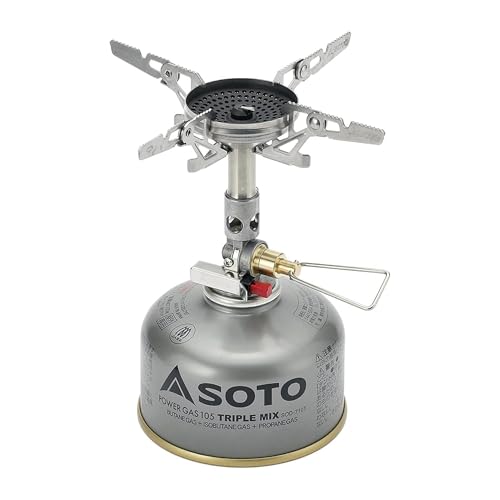
The Soto WindMaster is what you buy when you want the best standalone canister stove on the market and you’re willing to pay for it. The concave burner head with its raised lip functions as a built-in windscreen, and the Micro Regulator keeps output steady in cold weather and when the canister runs low. For the conditions most weekend backpackers actually encounter, there’s nothing better in this form factor.
It also genuinely simmers. Fine flame control, even heat distribution, real food cooked on it without scorching. That matters more than people realize when they’re still at the “boiling water” stage of their backpacking life and haven’t yet discovered that trail couscous with olive oil and parmesan is one of the great pleasures of a weekend trip.
The universal complaint is the removable pot supports. They pop off for packing, which is clever, but they can also get lost or crushed. The 4Flex is the better choice over the lighter TriFlex for anyone using a pot larger than a small solo mug. The piezo is also not rated above 10,000 feet, which matters in the Sierras but not in most of the country.
This is the stove for weekend backpackers who value wind and cold performance above all, want a real cooking stove rather than a water boiler, and are comfortable paying a premium for something that lasts years.
Not sure what gear you actually need?
Grab the free backpacking checklist I built after 120+ trips. It covers every category so you don’t overbuy or forget something important.
Get the Checklist →Free. No spam. Unsubscribe anytime.
Best Backpacking Stove for Beginners: MSR PocketRocket 2
The MSR PocketRocket 2 is the stove that gets recommended more than any other for good reason. It’s simple, light, reasonably priced, and has been refined over decades. If you’re buying your first backpacking stove and don’t want to think about it, this is the default pick. I’ve been using mine as a daily driver for five years, and the stem screw at the base has loosened once and wind has been a pain more than once, but the stove itself has never failed to light or work.
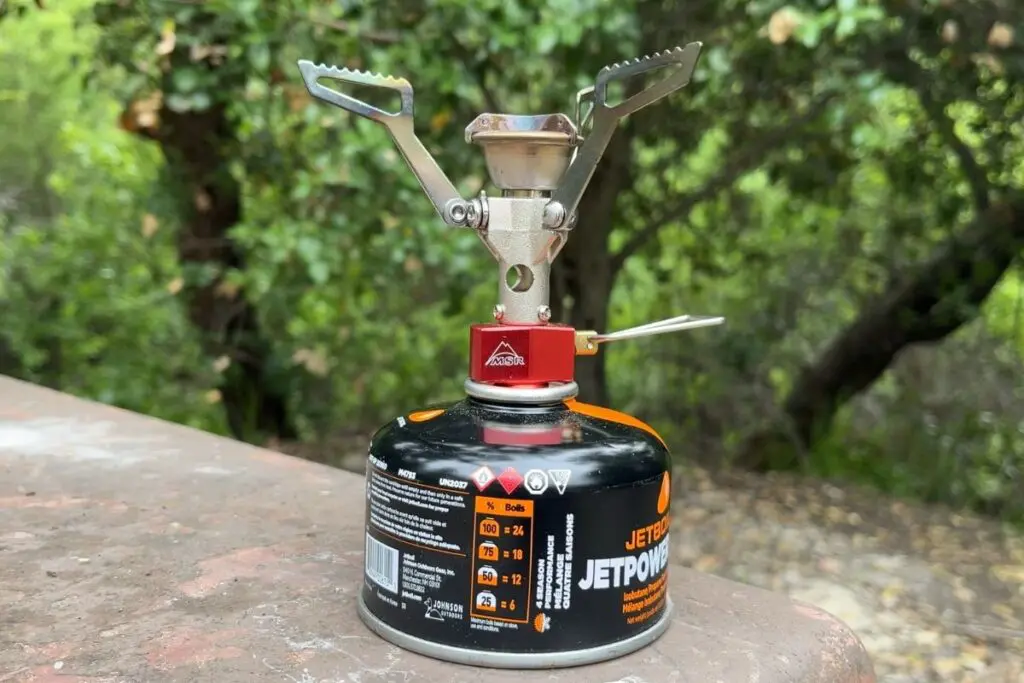
What you give up versus the MSR PocketRocket Deluxe (covered below) is the piezo igniter, the pressure regulator, and the broader burner head. In exchange you get a stove with fewer parts to fail and a lower price. Wind resistance is middling. The WindClip burner lip helps a little, but in real wind you’re setting up behind a rock or breaking out a foil windscreen.
The simmer is better than most people give it credit for. The wire valve has decent travel, and you can cook more than just boiled water on it if you’re patient. Carry a Bic lighter regardless. The no-igniter design is a feature, not a bug, because there’s one less thing to break.
This is the right backpacking stove for beginners and a huge chunk of weekend backpackers more generally. Especially anyone who hasn’t yet figured out what they actually need.


Best All-in-One Backpacking Stove: Jetboil Flash
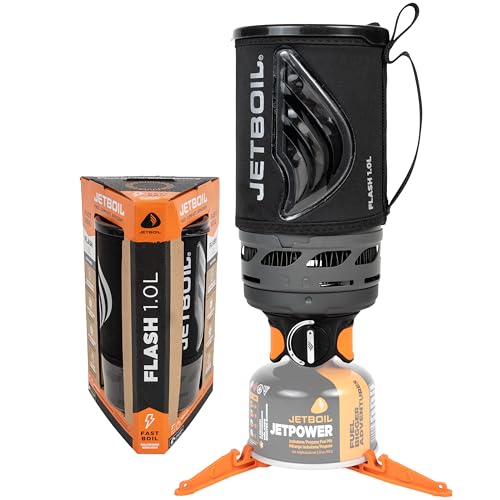
The Jetboil Flash is the easy answer to “I want something that works and I don’t want to think about it.” It boils water faster than any other stove on this list, comes with its own pot, and the whole system nests into itself for packing. For anyone whose cooking ambition begins and ends with freeze-dried meals, this is the most frustration-free option in the category.
The tradeoff is everything else. It’s heavy (13.1 oz fully built up), it’s locked to its proprietary pot unless you buy the accessory pot stand separately, and it cannot simmer worth anything. Try to cook pasta in it and you’ll learn this within about ninety seconds. No pressure regulator means performance drops as canisters approach freezing, which matters more on shoulder-season trips than mid-summer outings.
The redesigned ceramic-housing igniter on current production is more reliable than the earlier versions that gave Jetboil a reputation for flaky piezos. It still fails eventually on some units, which is why you carry a lighter regardless.
If you want the fastest and most user-friendly boil experience available without piecing together a stove and pot yourself, this is it. If you want to actually cook on trail, skip it.
MSR PocketRocket Deluxe
The MSR PocketRocket Deluxe is what the PocketRocket 2 becomes when MSR adds a piezo igniter, a pressure regulator, and a broader burner head. It’s the right upgrade pick for weekend backpackers who want the MSR feature set without the integrated-system weight of a Jetboil.
In calm conditions, it actually boils faster than the Soto WindMaster. In wind, the WindMaster still wins. The broad burner head is the real story here: heat distributes more evenly, which means you can cook real food on it instead of just boiling water. That’s a genuine upgrade over the PR2 if your trail cooking has evolved beyond freeze-dried.
The piezo is the weak link. Reports on long-term reliability are mixed. Some units go years without issue, others fail within a season. MSR doesn’t rate it above about 10,000 feet. Treat the piezo as a convenience and carry a lighter, same as you would with any stove.
The Deluxe is the right pick for weekend backpackers who cook real food, camp in sheltered terrain, and want MSR’s feature set without the Jetboil system weight. For exposed alpine camps, it’s the Soto WindMaster every time.

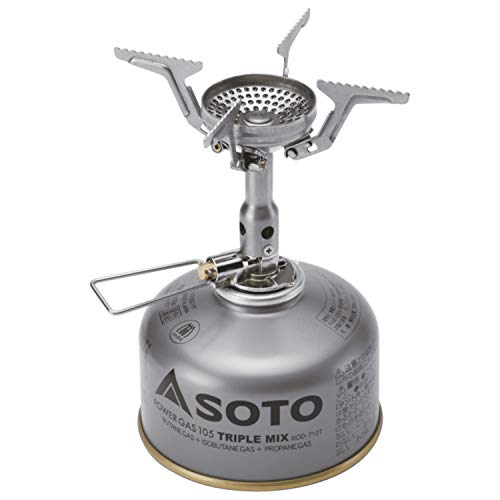
Soto Amicus
The Soto Amicus is the budget-to-midrange Soto. It borrows the design language of the Soto WindMaster (similar burner head concept, integrated piezo, four-prong spring-loaded pot supports) and delivers most of the build quality at roughly half the price. If you want Soto reliability without the WindMaster premium, this is the way in.
What you lose is the Micro Regulator, which is a real loss. Cold-weather and low-fuel performance drops noticeably. Wind performance is significantly worse than the WindMaster in anything beyond a light breeze (CleverHiker recorded over 13 minutes to boil 1L in real wind). In calm conditions it’s fine, sometimes even good. The piezo is integrated cleanly into the burner post, though reliability reports are mixed here too.
This is the right pick for weekend backpackers who want a well-built stove with an igniter, don’t need top-tier wind performance, and can’t justify the step up to the WindMaster. It’s a more considered purchase than the MSR PocketRocket 2 but a less premium one than the MSR PocketRocket Deluxe or Soto WindMaster.
Jetboil Stash
The Jetboil Stash is Jetboil’s answer to weight-conscious buyers who still want the FluxRing efficiency. At 7.1 oz for the full system, it’s about 40% lighter than the Jetboil Flash with similar fuel economy. It’s the most interesting option on this list for solo weekenders who want an integrated system but can’t stomach the Flash’s weight.
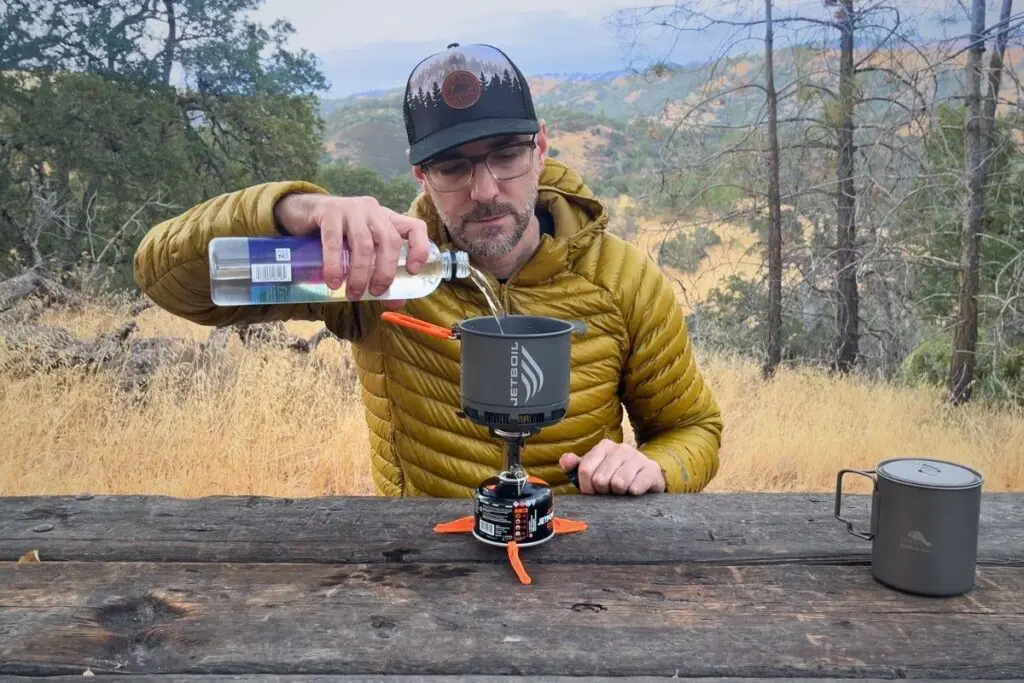
The compromises are real. BTU output is half the Flash’s, so it’s slower than standalone stoves when wind isn’t a factor. The pot is 0.8L, which is tight for two people and tight even for one if you’re rehydrating a large meal and making coffee. There’s no piezo, and the titanium burner’s pot stand arms feel flimsier than they should. Use it with cookware other than the included FluxRing pot and efficiency plummets.
The packability is genuinely impressive; I’ve packed and unpacked mine enough times to confirm the whole system really does nest as cleanly as the marketing claims. But for most weekend trips, the PocketRocket 2 plus a separate pot makes more sense. The Stash wins specifically for solo ultralight backpackers who want Jetboil’s efficiency in a lighter package.

MSR WindBurner
The MSR WindBurner is the only stove on this list that is effectively windproof. The radiant burner has no exposed flame. The pot locks to the burner. For exposed alpine or coastal trips where wind is the main problem, nothing else comes close.
It is also the heaviest stove on this list at 15.5 oz, costs more than most alternatives, and has no igniter despite the premium positioning. Lighting it is awkward because there’s no visible flame. The wire glows red when lit and you listen for the sound, which takes getting used to. The pot lid has awkward spouts that can leak if you’re not careful. Like the Jetboil Flash, it does not simmer. It boils water and it does so regardless of conditions.
For weekend trips in sheltered forest or valley camps, this is overkill. For trips above treeline, on the coast, or in any terrain where wind is part of the daily experience, it’s the right tool and the weight is worth carrying. The question isn’t whether it’s a good stove. The question is whether your specific trips justify carrying it.

Best Budget Backpacking Stove: BRS-3000T
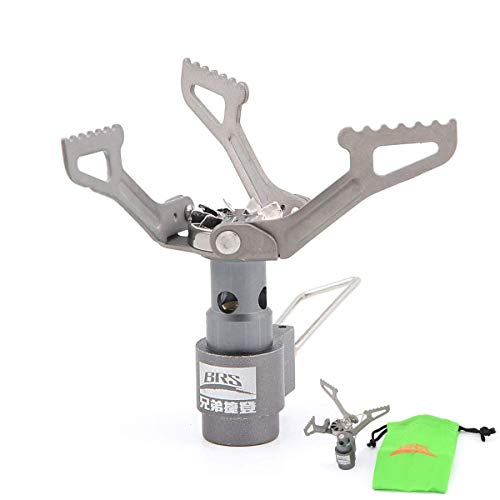
The BRS-3000T weighs less than an ounce and costs less than a lunch. That’s the pitch. If all you need is a stove that boils water for a small pot in sheltered conditions, it does the job.
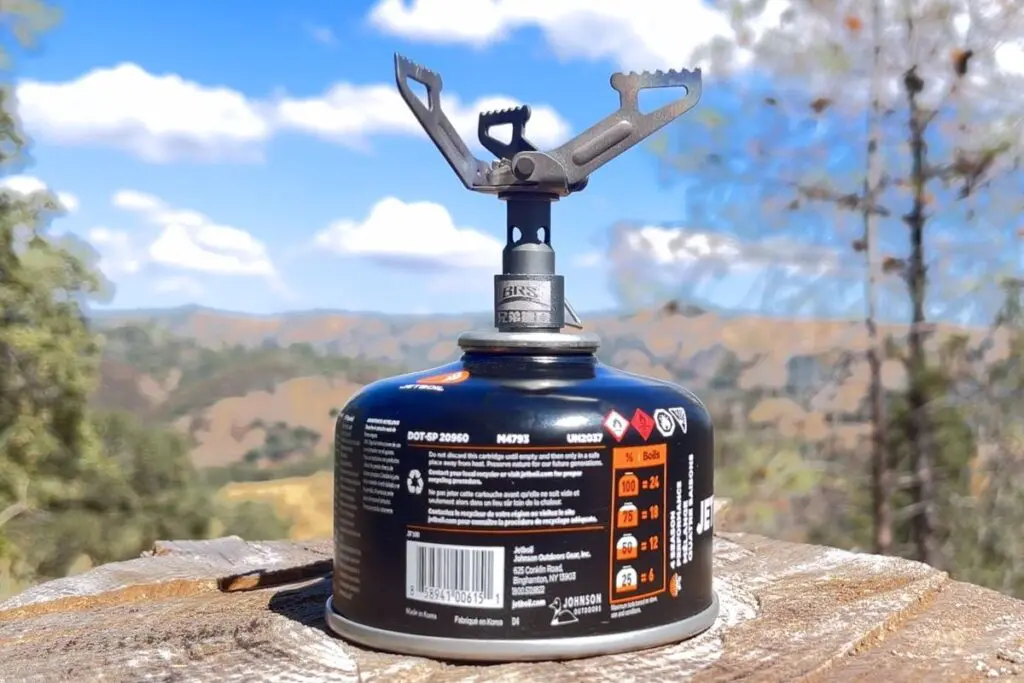
The catches are significant. Quality control is genuinely inconsistent. My first unit failed on first use. It sprayed gas out the side when I opened the valve, and I wrote it off entirely. The second one I bought later for a video worked fine. This isn’t an internet rumor, it’s real, and it’s the main reason you shouldn’t treat the BRS as a primary stove on a trip that matters.
Wind performance is essentially nonexistent. The flame blows sideways in a light breeze. The pot support legs are thin and can deform from heat if you run the stove at full output in wind. Anything bigger than a small titanium mug sits awkwardly on the narrow support span.The BRS is a legitimate backup stove, a good option for car camping and short sheltered trips, and a reasonable first stove for someone who wants to try backpacking before committing to real gear. It is not the stove you want if cooking dinner actually matters.
Budget vs. Premium: Does the Price Gap Matter?
If you want to see the performance gap between a budget and a premium stove in the field before you decide, I walked through it directly in this YouTube video.
The Complete Kit I Use on Every Trip
This post covers one piece of the puzzle. If you want to see everything I actually carry, I keep my full kit documented on one page.
After 100+ trips across the Sierra, the Pacific Coast, and Desert Southwest, this is the setup I’ve dialed in for three-season weekend trips. Same gear, trip after trip. It’s what I’d recommend to anyone building out a dependable kit without overpacking.
The Right Backpacking Stove for Your Weekend
For most weekend backpackers heading out for 1-3 nights in three-season conditions, the decision splits cleanly. If you’re new to this and want something bulletproof that’ll last a decade, buy the PocketRocket 2 and move on. If you want the best wind and cold performance available in a standalone stove, the WindMaster is the right pick and it’s not close. If you want to boil water and never think about cook systems again, the Jetboil Flash is the easy answer.
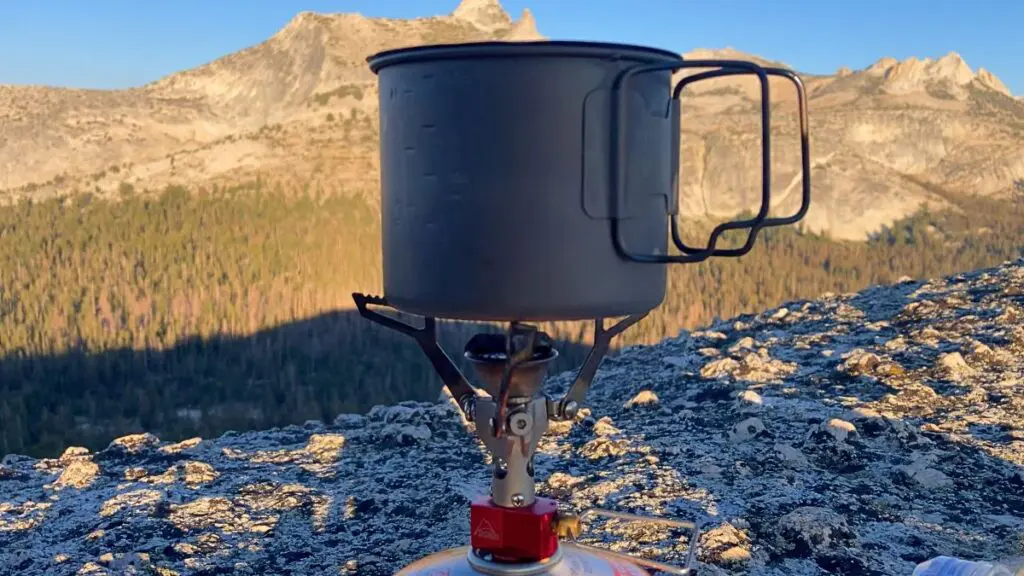
Everything else on this list exists for specific cases. The Deluxe is the upgrade for simmering. The Stash is for solo ultralight. The WindBurner is for exposed terrain. The Amicus is the considered budget option. The BRS is the backup stove or the trial run. Before any trip, you also need a proper beginner backpacking gear guide covering the rest of your kit, and you’ll want to think about base weight because stoves are one of the smallest categories where weight actually matters.
Related Reading
Amazon and the Amazon logo are trademarks of Amazon.com, Inc. or its affiliates.