Best Lightweight Backpacking Tents 2026
Updated: January, 2026 | Reviewed by: the Step Massive team
Disclosure: This article contains affiliate links. As an Amazon Associate and an affiliate for other retailers, we earn from qualifying purchases, at no extra cost to you.
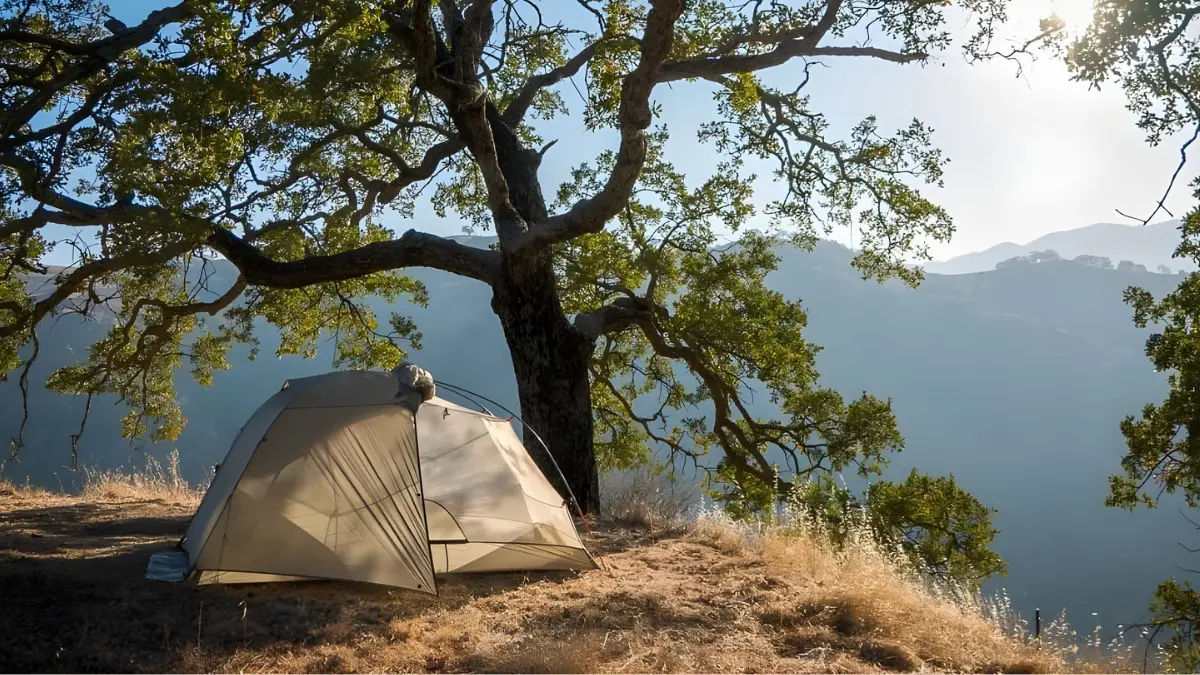
If you’ve ever felt cramped or damp in a tent that saved a few ounces, this list is for you. The best lightweight backpacking tents of 2026 balance low weight with real comfort, giving you room to sit up, breathe, and sleep well after long trail days.
Below are Step Massive’s top picks for lightweight tents built for easy setup, solid weather protection, and everyday livability. Most of the picks here are 2-person tents because they offer the best space-to-weight ratio for solo hikers and couples alike without sacrificing comfort.
Quick Picks
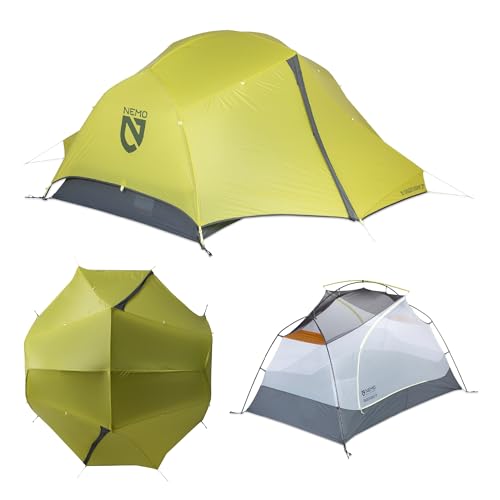
Each of these models earns its place among the best backpacking tents available this year for comfort-first hikers.
Buyer’s Guide: How to Choose the Best Backpacking Tent for Comfort and Ease
When searching for the best backpacking tent, focus on livability, weather protection, and setup speed. The best lightweight backpacking tents balance space, weather protection, and ease of setup—the features that actually affect how you rest and live in camp.
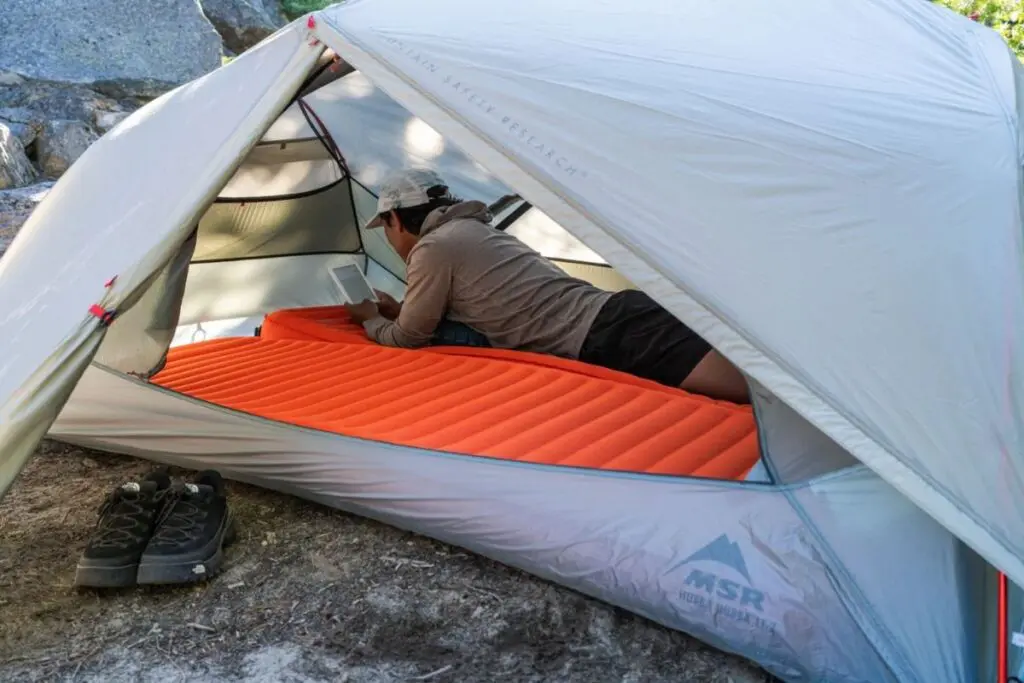
Image courtesy of MSR
Heading into 2026, most backpackers searching for the best backpacking tent want livability without weight regret. Look for a design that’s easy to pitch, roomy enough to sit up in, and weather-stable when the rain hits.
Space & Livability
A tent’s comfort isn’t just floor size. Steep walls and tall peaks make a small footprint feel spacious, especially on longer trips. Two-person models like the NEMO Dagger OSMO and MSR Hubba Hubba remain top choices among the best backpacking tents for headroom.
Weight vs. Comfort
Lightweight is important, but not at the cost of rest. Most comfort-focused backpackers find the sweet spot around 2.5–3 pounds per person. A few extra ounces often buy better structure, durability, and weather protection.
Setup & Weather Performance
After long days, simple pitching matters. Freestanding or semi-freestanding designs like the Copper Spur UL2 or Kelty Late Start set up quickly and stay stable when weather turns. Most of the best backpacking tents have good ventilation, mesh panels, and fly vents help prevent condensation and keep interiors dry. When searching for the best hiking tent, remember that airflow is a major factor in overall comfort.
Modern Materials
Tent fabrics keep improving. NEMO’s OSMO blend resists sag and stretch in wet conditions, while newer pole hubs and taller geometries across 2026 designs increase livability without big weight penalties.
1. Big Agnes Copper Spur UL2
Best for: Backpackers who want one of the best backpacking tents for real interior comfort on multi-day trips.
At a Glance
• Weight: 2 lb 10 oz (trail weight)
• Key Features: Freestanding build with dual doors and vestibules
• Highlights: Excellent space-to-weight ratio and fast, intuitive setup
• Best Use: Multi-day backpacking where comfort and convenience matter
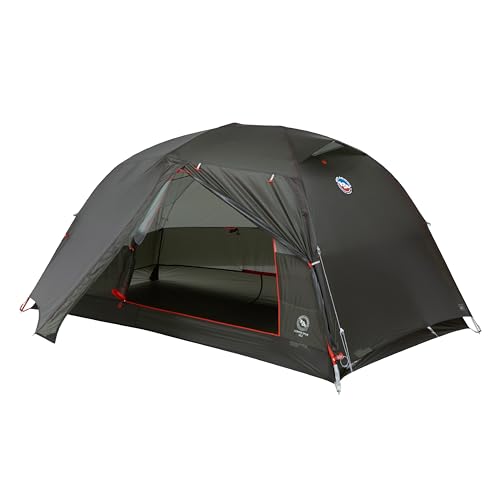
Comfort & Usability
The Copper Spur UL2’s high-volume architecture provides standout livability for its class. Dual doors allow easy entry and exit, while the vertical sidewalls and peak height make it feel noticeably roomier than most sub-3-pound tents. The Copper Spur continues to rank as one of the best backpacking tents for comfort-oriented hikers.
Performance Factors
Its trail weight under three pounds keeps it squarely in the lightweight category without cutting durability or weather protection. DAC poles and a tensioned frame hold strong in storms, and the mesh-fly combination limits interior moisture buildup.
Pros
Cons
Compared to Similar Tents
Compared to trekking-pole shelters, the Copper Spur UL2 trades a few ounces for a quicker freestanding setup and more consistent weather performance. It’s a comfort benchmark for two-person backpacking tents.
Who it’s For:
Hikers who value comfort and convenience over chasing the absolute lightest option. Ideal for solo backpackers wanting extra space or partners who share gear weight evenly.
Trail Takeaway: A proven comfort-first ultralight tent that sets the livability standard for 2026.
2. NEMO Dagger OSMO 2P
Best for: Backpackers who want a spacious two-person tent that balances comfort and lightweight performance.
At a Glance
• Weight: 3 lb 5 oz (minimum weight)
• Key Features: Freestanding hub pole design, dual doors and vestibules
• Highlights: Spacious interior with tall peak height and OSMO fabric that resists sag
• Best Use: Multi-day backpacking or two-person comfort-first trips
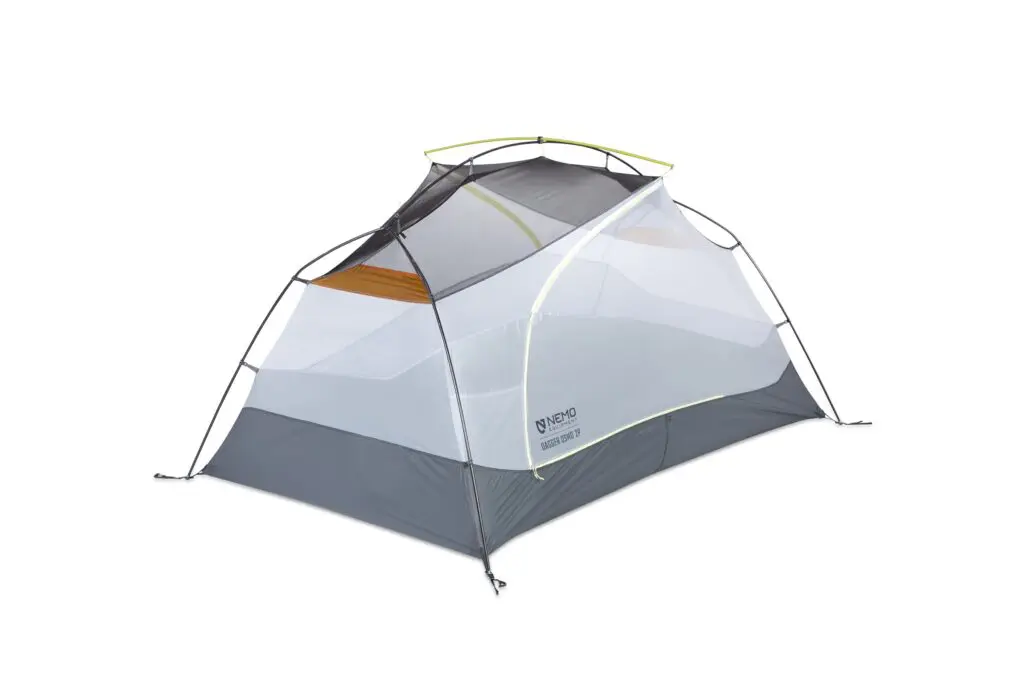
The Dagger OSMO 2P blends lightweight design with best-in-class livability. OSMO fabric resists sag and moisture while providing generous headroom and fast setup — ideal for backpackers who value comfort and space on the trail.
Comfort & Usability
The Dagger OSMO’s interior feels surprisingly spacious for its weight, thanks to vertical sidewalls and a tall 43-inch peak height. Dual doors and vestibules make camp life easy, letting both occupants enter or exit without disturbance. Inside, smart pocket placement and durable fabrics enhance livability for multi-day comfort.
Performance Factors
The OSMO fabric blend prevents the tent body from sagging in humidity, maintaining airflow and structure during overnight storms. At just over three pounds, the Dagger balances strength and packability. The hubbed pole design allows quick, intuitive setup and solid wind performance on varied terrain.
Pros
Cons
Compared to Similar Tents
Compared with the Copper Spur, the Dagger OSMO adds headroom and moisture control while staying among the most stable lightweight tents for 2026.
Who it’s For:
Backpackers who prefer comfort and reliability over minimalist gear limits. Perfect for two-person trips or solo hikers who like extra elbow room.
Trail Takeaway: Spacious, reliable, and built for backpackers who want real comfort without extra weight.
3. MSR Hubba Hubba LT 2
Best for: Backpackers looking for one of the best 2 person backpacking tents for balancing space, weight, and easy setup.
At a Glance
• Weight: 3 lb 0 oz (minimum weight)
• Key Features: Freestanding double-wall build, dual doors and vestibules, rectangular floor
• Highlights: Excellent ventilation and interior volume with strong comfort-to-weight balance
• Best Use: Two-person backpacking where livability and setup ease matter most


Comfort & Usability
The Hubba Hubba LT 2 feels roomy for its class, with a rectangular floor and 40-inch peak height for easy sitting and gear organization. Dual doors and vestibules improve access and storage for smoother camp living.
Performance Factors
At about 3 lb, the Hubba Hubba LT 2 balances low weight with full freestanding stability and livable space. Its updated geometry boosts interior volume, while large mesh panels and fly vents maintain airflow and reduce condensation.
Pros
Cons
Compared to Similar Tents
Unlike many ultralight tents that sacrifice space for weight savings, the Hubba Hubba LT trades a few ounces for notably better livability and faster setup. For comfort-focused backpackers, it’s a smart and worthwhile balance.
Who it’s For:
Backpackers who value comfort, livability, and easy setup over chasing the lightest weight. Ideal for couples or solo hikers wanting extra space and a dependable shelter for frequent trips.
Trail Takeaway: One of the best two-person tents in the comfort-lightweight sweet spot. Trade a little weight for a lot more livability.
4. Durston X-Mid 2
Best for: Backpackers searching for one of the best ultralight backpacking tents that still offers surprising space and solid durability.
At a Glance
• Weight: 1 lb 15 oz (total packed weight)
• Key Features: Trekking-pole design with dual doors and vestibules
• Highlights: Spacious offset geometry provides excellent livability for its weight
• Best Use: Ultralight backpacking with trekking poles and minimalist gear setups
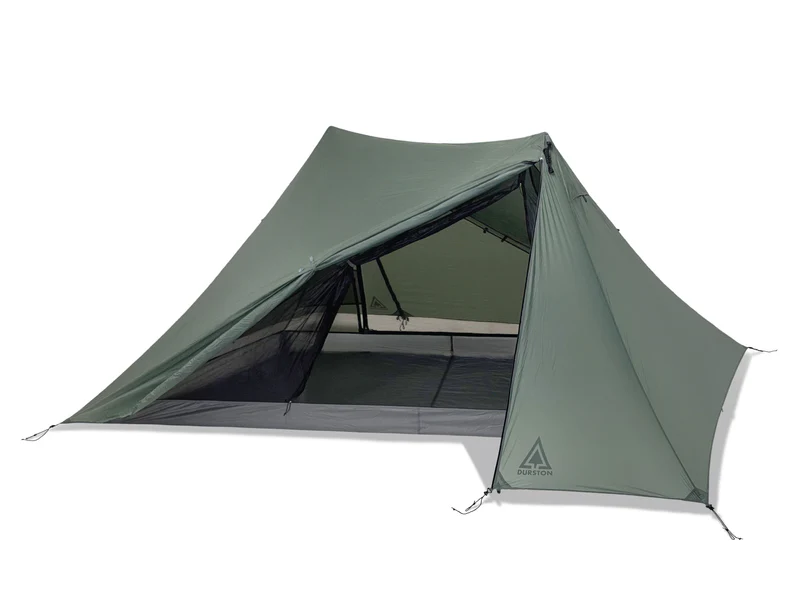
Image courtesy of Durston Gear
A highly efficient trekking-pole tent offering ultralight weight and roomy interior. Well crafted for backpackers who prioritize space per ounce and are comfortable with non-freestanding setups.
Comfort & Usability
The X-Mid 2’s layout provides exceptional interior volume for under two pounds. The offset pole structure and steep sidewalls create a spacious living area where two sleepers can sit up without fabric contact. Dual doors and large vestibules make it easy to enter, exit, and store gear without feeling cramped.
Performance Factors
Though non-freestanding, the X-Mid 2 pitches taut and stable when properly staked. Its offset geometry sheds wind and rain efficiently, while the full mesh body reduces condensation for reliable comfort in varied conditions.
Pros
Cons
Compared to Similar Tents
Versus freestanding models like the Copper Spur or Hubba Hubba, the X-Mid 2 trades quick setup for a big gain in space-to-weight efficiency. For experienced backpackers, it delivers real comfort without the bulk of heavier double-wall tents.
Who it’s For:
Backpackers who prioritize comfort-per-ounce efficiency and already hike with trekking poles. Perfect for solo hikers wanting room to stretch out or partners sharing a minimalist yet livable shelter.
Trail Takeaway: A standout ultralight shelter that combines roomy comfort, solid weather protection, and efficient design for serious backpackers.
Not sure what gear you actually need?
Grab the free backpacking checklist I built after 120+ trips. It covers every category so you don’t overbuy or forget something important.
Get the Checklist →Free. No spam. Unsubscribe anytime.
5. Big Agnes Tiger Wall UL2
Best for: Backpackers who want a very light two-person shelter with room to move and gear access-ease.
At a Glance
• Weight: 2 lb 3 oz (trail weight)
• Key Features: Semi-freestanding design, dual doors and vestibules, brow pole for headroom
• Highlights: Ultralight yet livable with durable HyperBead fabric and quick setup
• Best Use: Thru-hikes or lightweight trips where comfort still matters

Comfort & Usability
The Tiger Wall UL2 uses an extended brow pole for more vertical walls and better headroom, creating a surprisingly open feel for a sub-3 lb tent. Dual doors simplify gear access, and its compact packed size makes it ideal for long routes where comfort still matters.
Performance Factors
Despite its light weight, the Tiger Wall UL2 holds up well in moderate weather with its double-wall build and durable materials. Setup is quick, but its semi-freestanding design needs solid staking for full tension and airflow.
Pros
Cons
Compared to Similar Tents
Compared to freestanding models like the Copper Spur or Hubba Hubba, the Tiger Wall UL2 gives up some setup ease and flexibility but delivers lighter weight and comparable livability. For those fine with staking, it offers more interior space for less pack weight.
Who it’s For:
Hikers who endorse comfort-per-ounce thinking. Ideal for two-person setups where one or both carry extra gear and want high camp-comfort without carrying a heavy tent.
Trail Takeaway: A refined ultralight option that gives you usable space and quick setup without bloating your pack weight.
6. Zpacks Duplex
Best for: Backpackers who want the best ultralight backpacking tent built with Dyneema Composite Fabric (DCF) for exceptional space and weather protection.
At a Glance
• Weight: 1 lb 2 oz (excluding stakes and poles)
• Key Features: Dyneema Composite Fabric (DCF), dual doors and vestibules, trekking-pole setup
• Highlights: Ultralight yet spacious design trusted by thru-hikers for comfort and durability
• Best Use: Ultralight backpacking or thru-hikes where every ounce counts
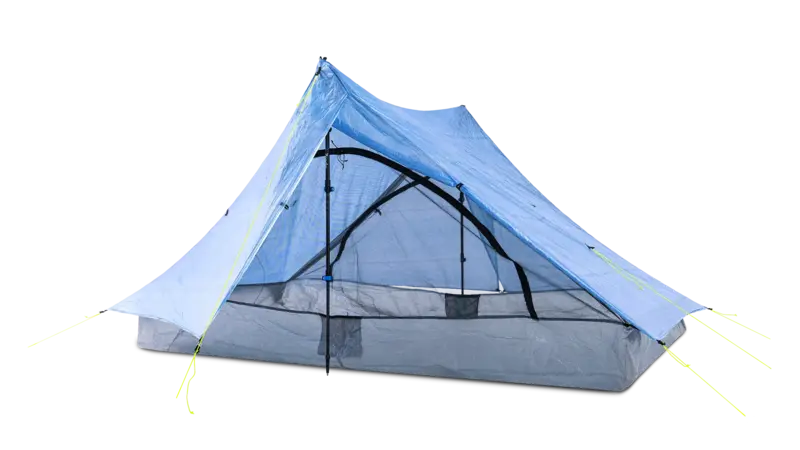
Image courtesy of Zpacks
An ultralight two-person tent crafted from DCF with dual doors and generous internal space. Ideal for backpackers seeking elite lightweight performance while retaining camp comfort.
Comfort & Usability
The Duplex’s rectangular floor and tall peak height (48″) let you sit up and move around much more freely than many ultralights. Dual entries improve gear access, and the very low trail weight means less strain on your pack while still offering true two-person livability.
Performance Factors
As a non-freestanding tent, the Zpacks Duplex needs solid staking and a firm pitch, but the payoff is exceptional weight savings. Its DCF fabric resists sag and stays taut in wet weather, offering strong storm performance and dependable ventilation when properly guyed.
Pros
Cons
Compared to Similar Tents
Compared to mainstream comfort-first tents (freestanding, heavier builds) the Duplex trades setup simplicity and freestanding flexibility for lightest weight and superior space-to-weight ratio. If you accept staking and terrain constraints, it’s a standout.
Who it’s For:
Backpackers who value minimal pack weight but refuse to compromise on space and comfort. Ideal for those experienced in ultralight setups and willing to optimize camp prep.
Trail Takeaway: An ultralight shelter that delivers real comfort and space for trekkers who count every ounce.
7. Kelty Late Start 2
Best for: Backpackers who want the best budget backpacking tent with easy setup, solid comfort, and dependable space.
At a Glance
• Weight: 4 lb 0 oz (minimum weight)
• Key Features: Freestanding X-pole frame with Quick Corner setup, single door and vestibule
• Highlights: Excellent value with durable 68D fabric and roomy interior for two
• Best Use: Budget-friendly backpacking or weekend camping where simplicity and reliability matter

Comfort & Usability
The Late Start 2 offers impressive interior space and usability for its price. Pre-bent poles increase headroom, while Quick Corner setup and color-coded clips make pitching fast and simple. It’s comfortable for two people and ideal for regular weekend trips.
Performance Factors
Although it’s not ultralight, the Late Start 2 serves its segment well. Weather protection is respectable given the materials used: a full-coverage fly and taped seams. Ventilation is decent but not as robust as premium models. Setup time is quick, making it a good choice for casual or mixed-use scenarios.
Pros
Cons
Compared to Similar Tents
Compared to premium ultralight models, the Late Start 2 trades weight savings and high-end features for reliability and strong value. It shines where cost, ease, and everyday usability matter more than shaving ounces.
Who it’s For:
Backpackers who want a dependable, comfortable shelter without premium pricing or ultralight compromises. Ideal for couples or solo hikers who value ease, space, and reliability over saving every ounce.
Trail Takeaway: A budget-friendly tent that delivers reliable comfort and usability without the ultralight price tag.
If you’re curious what gear I actually pack for my own trips, you can see my personal backpacking gear list. It’s the full collection I’ve refined after 100+ nights on the trail.
Conclusion
The best backpacking tents of 2026 find the right balance of comfort, usability, and pack weight. Models like the Big Agnes Copper Spur UL2 and MSR Hubba Hubba LT 2 stand out for their freestanding convenience and interior comfort, while the Durston X-Mid 2 shows how smart ultralight design can still feel spacious and reliable.
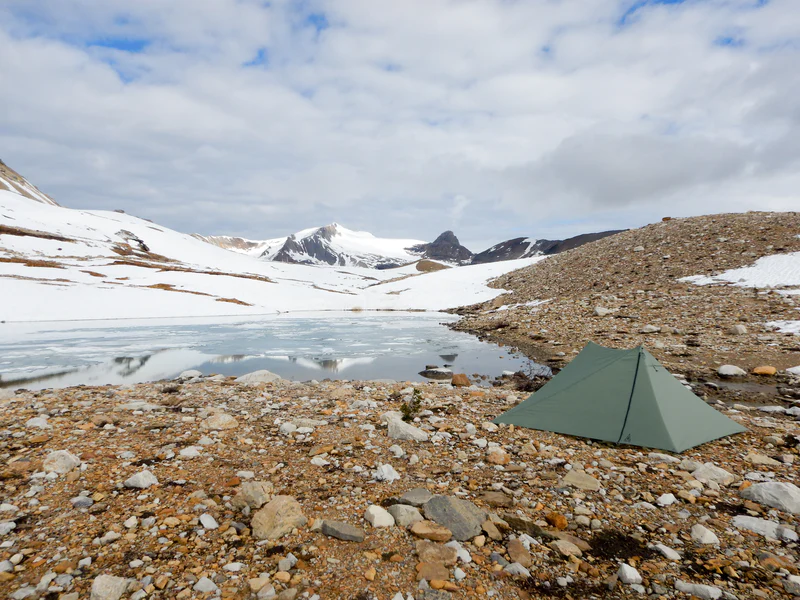
Image courtesy of Durston Gear
2026’s new tent designs feature improved lightweight fabrics, tensioned geometries, and higher peak heights that boost comfort without major weight penalties. When upgrading your setup, focus on what actually makes trail life easier: fast setup, room to move, and dependable weather protection.
For most hikers, investing in the best backpacking tent means better rest, faster setup, and less trail fatigue. Weight counts, but comfort is what keeps you steady mile after mile.
See all my recommended backpacking gear in my Amazon Store → Amazon.com/shop/stepmassive

Related Reading
Written by the Step Massive team, backpackers focused on practical, field-tested gear systems since 2019.
Amazon and the Amazon logo are trademarks of Amazon.com, Inc. or its affiliates.