Best Bear Canisters for Backpacking: Sierra Approved, Sized for Your Trip
Updated: 2026 | Reviewed by: Chris Mercer
Disclosure: As an Amazon Associate, we earn from qualifying purchases, at no extra cost to you.
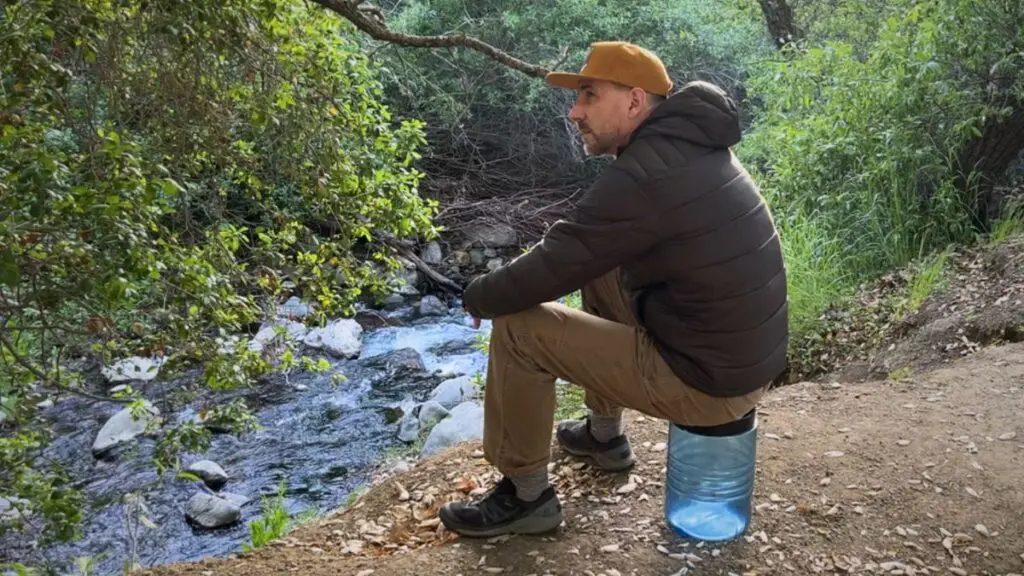
Bear canisters are required gear across most of the Sierra Nevada, Yosemite, SEKI, and a growing list of wilderness areas — and choosing the wrong one costs you either ounces you didn’t need to carry, capacity you didn’t plan around, or an argument with a ranger at the trailhead.
This guide covers ten canisters across the full range of materials, sizes, and price points, with honest notes on which parks actually accept each one. Most buyers will land on one of the BearVault options — they’re the right balance of price, usability, and approval coverage for the vast majority of Sierra trips — but there are real reasons to go lighter, go bigger, or go cheaper depending on your situation.
My Picks
Best overall: BearVault BV500
Best ultralight: Bearikade Weekender
Best for 4–6 day trips: BearVault BV475
Best budget: Backpackers’ Cache
Best for extended trips: Bearikade Expedition
How to Choose a Bear Canister
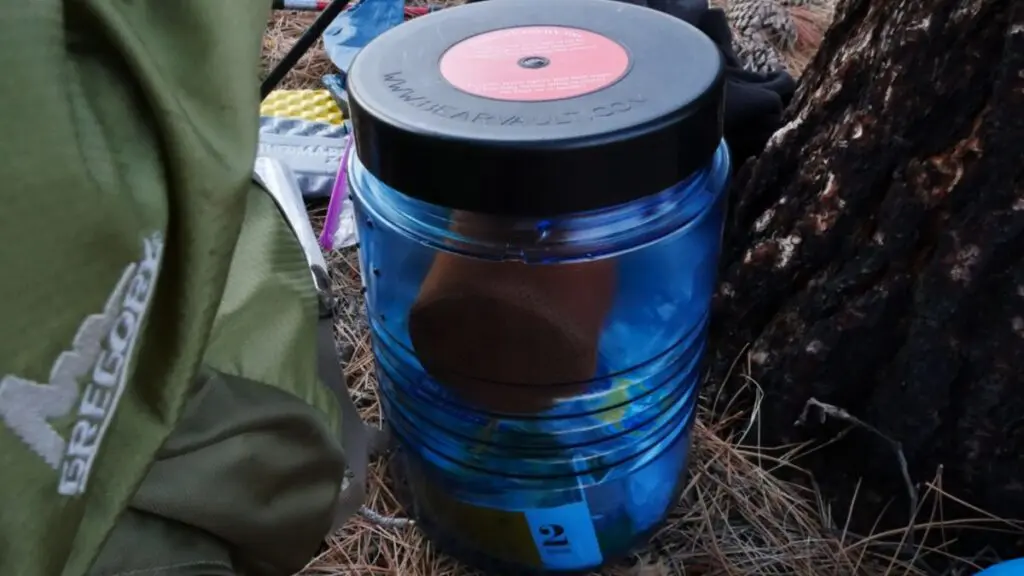
The Approval Question Is the First Question
Before anything else — capacity, weight, lid design — you need to know which parks you’re headed into and whether the canister you’re considering is actually on the approved list. This matters more than most gear comparisons because the consequence of getting it wrong isn’t discomfort, it’s a citation or a forced gear change at the permit office.
For Sierra trips — Yosemite, SEKI, Inyo, Ansel Adams — the short answer is that any IGBC-certified canister gets you into the vast majority of wilderness zones. In practice, rangers in Yosemite and SEKI reference the NPS named-canister lists, and a few canisters in this guide carry asterisks worth knowing about. The BV475 is IGBC-certified and widely accepted in practice but absent from the official NPS Yosemite and SEKI named lists — likely a documentation lag, but worth knowing. The Grubcan Carbon 6.6 is IGBC- and WMI-certified but also missing from both Sierra lists as of April 2026 — a more material gap, since the Grubcan has not been confirmed accepted by rangers the way the BV475 has. Each is covered in detail in its product section.
For the Adirondacks, the approved list is entirely separate from the IGBC list — fewer canisters qualify, and buyers headed to the Adirondack High Peaks need to check the current local list specifically.
For grizzly country (Denali, Glacier), the Garcia Backpackers’ Cache has the longest acceptance record. Most IGBC canisters work, but confirm before you go.
Sizing for Your Trip Length
The single most common mistake is under-sizing— buying a weekend-sized canister, then realizing on a JMT resupply that it won’t close with five days of food. Rough benchmarks for a solo backpacker at a typical light backpacker food load (roughly 1.5 lbs of food per day, pouches and bags left in their original packaging):
- 2–3 days: 7–8 L (BearVault BV450, UDAP)
- 4–5 days: 9–10 L (BearVault BV475, Bearikade Weekender)
- 5–6 days or small groups: 11–12 L (BearVault BV500, Counter Assault Bear Keg)
- Long carries between resupply or group food: 14+ L (Bearikade Expedition)
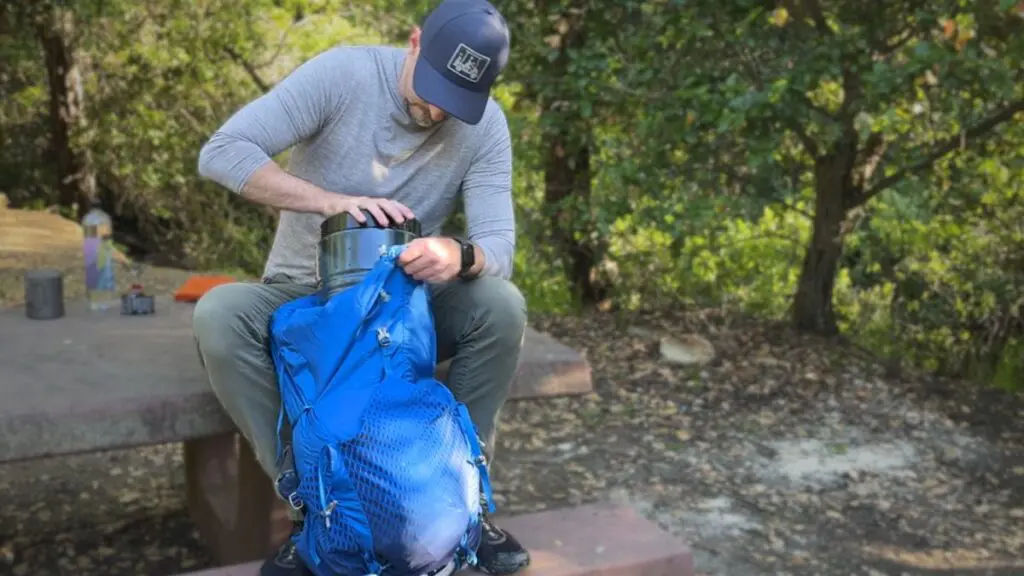
These estimates assume the way most backpackers actually pack — pulling food out of cardboard but leaving pouches and bags as-is. If you’re packing closer to 2–2.5 lbs of food per day to hit your actual calorie needs, plan on one size up. Repackaging bulk food into bags before the trip does extend capacity, but most people don’t do it.
Weight vs. Price vs. Approval Coverage
The weight-price tradeoff in bear canisters is steep and real. Polycarbonate canisters (BearVault line, Counter Assault) run $70–$110 and weigh 33–58 oz. Carbon fiber canisters (Bearikade, Grubcan) cut weight by 7–27 oz but cost $370–$500. That’s a significant premium per ounce saved, and it only makes sense if you’re canisters-required every season and already in the gear-optimization phase of your backpacking life.
The third leg of the triangle is approval coverage. The Grubcan Carbon 6.6 is the lightest option with meaningful capacity, but it’s not currently on the Yosemite or SEKI named lists — which matters a lot if you hike the Sierra regularly. The Bearikade canisters cost more than the polycarbonate alternatives but have confirmed Sierra acceptance and a rental program through Wild Ideas if you’re not ready to buy.
For most Sierra weekend warriors, a BearVault hits all three requirements — approval coverage, reasonable weight, usable price — without asking you to make a serious tradeoff anywhere. Choosing between the BV450, BV475, and BV500 is mostly a function of trip length and pack size, both covered above.
A useful reference while planning: how well your canister fits your pack matters almost as much as the canister itself. The best backpacks for weekend backpacking covers packs in the 45–55L range that are sized with canister storage in mind.
| CANISTERS | Weight (oz) | Capacity (L) | Height (in) | Opens Without Tool |
|---|---|---|---|---|
| BearVault BV500 | 41 | 11.5 | 12.7 | Yes |
| Bearikade Weekender | 31 | 10.65 | 10.5 | No |
| BearVault BV450 | 36.8 | 9.5 | 10.5 | Yes |
| BearVault BV475 | 33 | 7.2 | 8.3 | Yes |
| Backpackers' Cache | 44 | 10 | 12 | No |
| Bearikade Expedition | 36 | 14.75 | 14.5 | No |
| Grubcan Carbon 6.6 | 29.8 | 6.6 | 13 | Yes |
| Counter Assault Bear Keg | 58 | 11.7 | 13.5 | No |
| UDAP NO-FED-BEAR | 38.4 | 7 | 10 | No |
| Lighter1 Big Daddy | 43 | 10.5 | 13 | No |
Best Overall Bear Canister: BearVault BV500
The BearVault BV500 is the default choice for a reason, and that reason isn’t brand recognition — it’s that it solves every legitimate concern a Sierra backpacker has in one package. IGBC-certified, explicitly named on the NPS Yosemite and SEKI approved-container lists, 11.5 liters of capacity for 5–6 days for most packers, and a tool-free lid that opens with a push-tab and twist rather than requiring you to find a coin while your hands are cold.
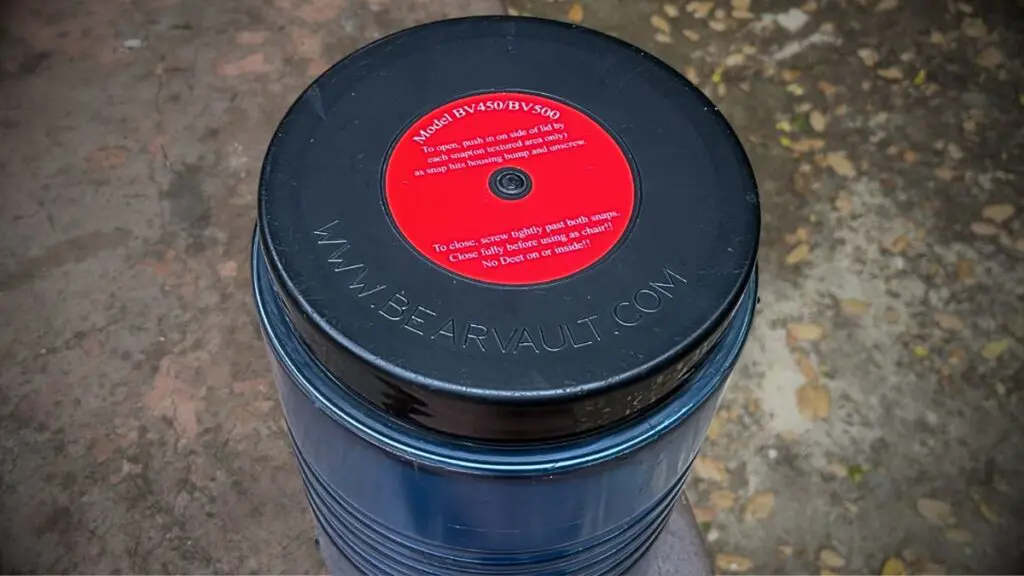
The transparent polycarbonate body is a real quality-of-life feature. You can see what’s in the canister without opening it, which matters more than it sounds when you’re reorganizing camp in low light or checking whether you packed your coffee before leaving the trailhead. Every opaque canister on this list requires excavation to find anything that isn’t on top.
The lid stiffens in cold weather — that’s a real friction point, not a marketing footnote. With cold fingers at elevation, the push-tab mechanism takes more force than it does at room temperature. It’s not a dealbreaker, but it’s worth knowing if you’re planning winter camping or high passes in early season.
The BV500 is over-sized for most solo weekend trips. At 12.7 inches tall and 41 oz, it’s a lot of canister for a two-night trip. It fits vertically in most 60L+ packs and horizontally in some 50L frames, but it’s genuinely larger than the BV450 or BV475 for trips where you won’t use the extra volume. The right buyer for the BV500 is someone doing JMT segments, longer Sierra loops, or a couple splitting one canister — not someone packing three nights of food on a weekend in the Valley.
One approval note worth flagging: BearVault canisters have at times been removed from the Adirondack High Peaks approved list due to a specific bear learning to open them. They’re approved everywhere in the Sierra and West Coast; buyers headed to the Adirondacks should check the current local list before relying on any BearVault model there.
For JMT hikers, long Sierra loops, and small groups, the BV500 is the right call. It’s the canister that works almost everywhere a canister is required, handles real food loads without compromise, and doesn’t ask you to spend carbon-fiber money to get there.
Not sure what gear you actually need?
Grab the free backpacking checklist I built after 120+ trips. It covers every category so you don’t overbuy or forget something important.
Get the Checklist →Free. No spam. Unsubscribe anytime.
Best Ultralight Bear Canister: Bearikade Weekender
The Bearikade Weekender is what you buy when you’ve already optimized everything else in your kit and you’re ready to pay to cut weight on the canister. At 31 oz with 10.65 liters of capacity, it’s roughly 10 oz lighter than the BearVault BV500 with about 1 liter less capacity — which is a meaningful weight cut for a piece of gear you carry every trip.
The volume-to-weight ratio is the best among Sierra-approved canisters. The Weekender is IGBC-certified and on the NPS Yosemite and SEKI approved-container lists (serial 1766 and higher, MKII), so approval coverage for the Sierra is solid. The carbon fiber construction is the reason for the weight, and the construction is legitimate — not a corner-cut.
The tradeoff is the lid mechanism. Three quarter-turn fasteners open with a coin or screwdriver, which means you’re either keeping a coin accessible or improvising in the field. The latches are simple and reliable — bears can’t open them, and neither can clumsy hikers who’ve had a long day — but the tool requirement is a different kind of friction than a push-tab lid. The opaque body is the other thing: no visual inventory without opening.
The price is the dominant objection, and it’s a legitimate one. At around $370 direct from Wild Ideas, the Weekender costs roughly four times what a BearVault BV450 costs for similar capacity. That gap justifies itself if you’re canisters-required every season — 10 oz per trip adds up across a full season. It doesn’t justify itself if you’re heading to the Sierra once a year on vacation. Wild Ideas also runs a rental program if you want to try one before committing.
The Weekender is the right pick for frequent Sierra and JMT/PCT hikers who are already in the weight-optimization phase of their kit. If you’re still on your first or second canister and you mostly do weekend trips, start with a BearVault.

The Bearikade Weekender is a carbon fiber bear canister from Wild Ideas with 650 cubic inches of capacity at just 31 ounces. IGBC-approved and on the NPS Yosemite and SEKI approved-container lists, with quarter-turn latches that open with a coin.
Best Bear Canister for Weekend Trips: BearVault BV450
The BearVault BV450 is what most solo weekend backpackers actually need, and most of them buy a BV500 instead. That’s not the wrong call — but the BV450 covers 2–3 days comfortably for a solo hiker at 8.3 inches tall and 33 oz, and for typical Sierra weekend trips it fits almost any mid-size pack without the height constraints of the BV500.
Same lid, same approval, same transparent body — just smaller. The BV450 is IGBC-certified and on the NPS Yosemite and SEKI named lists. It uses the same push-tab twist lid as the rest of the BearVault line, which means the same tool-free convenience and the same cold-weather stiffness caveat. The 8.7-inch diameter is identical to the BV500 and BV475, so the footprint in your pack is the same — you just get extra vertical space above it for gear.
The capacity ceiling is the tradeoff. At 7.2 liters, a four-day carry is possible but tight for most packers — you’re not leaving much margin for bulky snacks or a generous food load. Two people sharing the BV450 for a weekend works but is similarly snug. If you consistently do 3+ nights or tend to pack more food than average, the BV475 is a better fit.
For solo backpackers doing the classic Sierra weekend — two to three nights, one person — this is the most sensible default. You’re not hauling excess canister, your pack is less constrained by vertical height, and you’re spending $10–15 less than the BV500.

Best Bear Canister for 4–6 Day Trips: BearVault BV475
The BearVault BV475 is the canister BearVault should have built in 2010, and they finally got around to it in 2022. It splits the BV450 and BV500 exactly where the gap needed splitting: 9.5 liters of capacity at 10.5 inches tall, the same 8.7-inch diameter, the same tool-free lid.
For solo hikers doing 4–6 day trips, the BV475 is the right size. The BV450 runs out of room around day four; the BV500 is more canister than a solo hiker needs for anything under a week. The BV475 also fits vertically in most 50–60L packs more easily than the BV500, which at 12.7 inches tall can be a tight fit depending on pack geometry.
One approval note to flag honestly: the BV475 is IGBC-certified, BearVault’s own approval guide lists it as Sierra-accepted, and Sierra rental outfitters actively rent it for Yosemite and SEKI trips. However, as of April 2026, it has not been added to the official NPS Yosemite or SEKI named-canister lists — those lists still enumerate the older BV models. This appears to be a documentation lag rather than a substantive approval issue, and in practice the BV475 is widely accepted. Cautious buyers who want ironclad named-list status can carry the BV500 instead; most JMT and Yosemite hikers will be fine with the BV475.
The BV475 is the practical choice for solo backpackers who’ve consistently found the BV450 too small for multi-day trips but don’t need a full week’s worth of capacity. It’s also a solid weekend option for two people sharing one canister with more margin than the BV450 provides.

Best Budget Bear Canister: Backpackers’ Cache
The Backpackers’ Cache has been in production since 1982, and that track record is genuinely the point. It’s the canister that parks were already accepting before IGBC certifications existed, it’s on the Adirondack High Peaks approved list when many other options aren’t, and it’s the most proven design in grizzly country. If approval coverage is your first requirement and price is your second, the Garcia is the answer.
The Garcia is also the most physically indestructible canister on this list. ABS polymer doesn’t scratch or dent the way polycarbonate does, and it’s rigid enough that backpackers routinely use it as a camp stool without a second thought. The construction has earned the durability reputation over four decades of field use.
What the Garcia trades away for that approval coverage and durability record: weight and usability. At 44 oz, it’s heavier than the BV500 with 1.5 liters less capacity, which is a poor volume-per-ounce ratio by any comparison. The opening is smaller than the BearVault line, making bulky freeze-dried pouches harder to pack. The body is opaque, so you’re digging for everything. And the tool-required lid — two recessed screws, coin or screwdriver — is slower to access than anything in the BearVault family.
The right buyer for the Backpackers’ Cache is someone in true grizzly country, a hiker who specifically needs Adirondack High Peaks acceptance, or a budget-conscious backpacker who wants the most field-proven design available. For most Sierra-only buyers, the BV450 is lighter, cheaper, more usable, and equally accepted — the Garcia’s advantages don’t apply.

Best Bear Canister for Extended Trips: Bearikade Expedition
The Bearikade Expedition exists for one specific buyer: someone who needs to carry more food than any other Sierra-approved canister can hold, and doesn’t want to carry the Counter Assault Bear Keg’s weight penalty to do it. At 14.75 liters of capacity and 36 oz, it’s the largest Sierra-approved canister on the market and the best volume-per-ounce ratio available — the Bearikade Expedition holds 3 liters more than the Counter Assault Bear Keg while weighing 22 oz less.
IGBC-certified and confirmed on both the NPS Yosemite and SEKI approved-container lists (Expedition MKII, serial 1766 and higher). Same quarter-turn coin-required latches as the Weekender. Tall, narrow profile — 9 inches in diameter, 14.5 inches tall — packs well vertically in larger frames and doubles as a camp stool with a stable flat base.
The constraints are real. At 14.5 inches, the Expedition won’t lie horizontally in most packs; you’re committed to vertical loading, which means your pack needs to accommodate it before you buy. At $420, it’s the most expensive canister in this guide. And the volume is genuinely more than a solo backpacker needs for anything under 9 days — this is a niche buy.
The Bearikade Expedition makes sense for JMT hikers carrying 7+ days between resupply points, group leaders who are packing everyone’s food for a weekend, and ultralight long-distance hikers who already own a Weekender and need the extra capacity for a specific long stretch. If you’re doing a standard 3–5 day trip, this is the wrong tool.

The Bearikade Expedition is the largest of the carbon-fiber Bearikade canisters at 900 cubic inches, weighing just 36 ounces. IGBC-approved and on the NPS Yosemite and SEKI approved-container lists for use in Sierra parks where hard-sided canisters are required.
Grubcan Carbon 6.6
The Grubcan Carbon 6.6 is the lightest hard-sided canister with meaningful capacity on the market — measured weight around 29.8 oz (manufacturer claims 24 oz; independent measurements land around 30 oz), handmade carbon fiber and Kevlar construction, and a patented combination lock that opens without any tool. That last feature is genuinely unique in the category and solves the one real friction point of the Bearikade line.
The narrow 7.25-inch diameter is the usability constraint. It’s taller and narrower than any other canister here — 13 inches tall at less than 8 inches wide — which means it sits alongside a sleeping pad or tent rather than competing for the same core space in your pack. Bulky freeze-dried pouches may need to be removed from their packaging to fit; repackaging your food before the trip is essentially required for efficient loading.
The Sierra approval gap is the most consequential limitation and needs to be stated plainly: as of April 2026, the Grubcan Carbon 6.6 is not on the NPS Yosemite or NPS SEKI named-canister lists. It carries IGBC and WMI certifications — it passes bear resistance standards — but both of those Sierra parks reference their own named lists, and the Grubcan isn’t on them. Buyers planning JMT, Yosemite, or SEKI trips should contact the park directly before relying on it. It is on the Adirondack approved list, which is notable given how restrictive that list is.
The price — around $500 — is the other reality check. The Grubcan is more expensive than a Bearikade Weekender, which is lighter per liter of actual usable volume and has confirmed Sierra acceptance.
The Grubcan makes real sense for Adirondack hikers who need a current local-approved lightweight option, or ultralight backpackers headed somewhere other than Yosemite or SEKI who want the lowest hard-sided weight available. For Sierra hikers specifically, the Bearikade Weekender is the better buy — confirmed approval, similar weight, more usable lid. Grubcan also runs a rental program for buyers who want to try before committing.

The Grubcan Carbon 6.6 is a handmade carbon fiber and Kevlar bear canister with a patented tool-free combination lock. IGBC and WMI approved, weighing under two pounds with 6.6 liters of capacity.
Counter Assault Bear Keg
The Counter Assault Bear Keg is the largest hard-sided plastic canister approved in the Sierra. At 11.7 liters with three stainless-steel locks and ABS polymer construction, it’s on the NPS Yosemite and SEKI approved-container lists, and it will hold food for 6–7 days solo or a full weekend for two or three people with margin.
The weight is the hard part. At 58 oz — nearly 3.7 pounds — the Bear Keg is the heaviest canister on this list, and the volume-to-weight math is bad compared to anything else here. The BearVault BV500 holds almost the same volume at 17 fewer ounces. The Bearikade Expedition holds 3 liters more at 22 fewer ounces. The Counter Assault Bear Keg only makes sense on a pure cost basis — it’s one of the cheaper large-capacity options, and if you’re doing a group trip where the weight is shared, the per-person penalty shrinks.
Usability is also slow: opaque body, tool-required lid, three separate locks to manipulate, and a 13.5-inch height that won’t fit horizontally in most packs. You’re not reaching in and grabbing what you need; you’re unpacking and repacking every time.
The Bear Keg is for buyers who need large-capacity Sierra-approved protection on a budget, or group trips where weight is distributed across multiple packs and per-person ounces shrink. For solo use, the BV500 is lighter, more usable, and almost the same price.

UDAP NO-FED-BEAR
The UDAP NO-FED-BEAR is the cheapest IGBC-approved hard-sided canister readily available in the US, and it has the confirmation most buyers need: it’s on the NPS Yosemite and SEKI approved-container lists. For a buyer on a genuine budget who wants Sierra-approved protection and nothing more, that matters.
The capacity is small. The UDAP measures 8 inches in diameter by 10 inches tall, and the realistic interior volume lands around 6–7 liters despite the manufacturer’s claim of 8 L — the geometry doesn’t support the higher number, and independent measurements back that up. Four days solo is workable with efficient packing; five days is tight.
At similar capacity, the BearVault BV450 is lighter and easier to use. The BV450’s push-tab lid beats the UDAP’s coin-required screws every time, the BV450’s opening is larger for loading bulky items, and the polycarbonate body is easier to manage in the field. The price gap between them is real but narrower than it used to be — the UDAP’s budget advantage has compressed as BearVault pricing has stayed stable.
The compact 8 × 10 footprint is the UDAP’s functional advantage. It fits into pack configurations and hip belt pockets that won’t accept a BV450’s 8.7-inch diameter. If you have a smaller pack and the BearVault won’t fit, the UDAP is worth knowing about.
The UDAP is the right pick for budget-constrained buyers doing short trips who need Sierra-approved protection and have a pack where the BV450 won’t fit. If the BV450 fits your pack and your budget, it’s a better canister.
Lighter1 Big Daddy
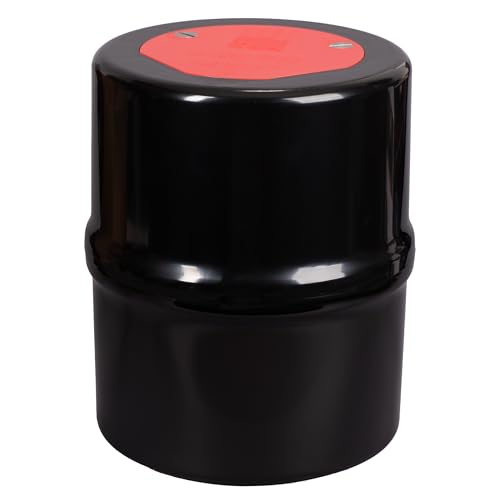
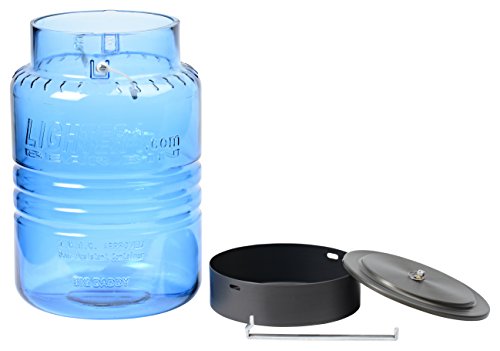
The Lighter1 Big Daddy is the only canister on this list designed around a dual-purpose concept: the anodized aluminum lid doubles as a frying pan. For a solo backpacker running a single-pot system on an alcohol or canister stove, it eliminates carrying a separate cookware lid and adds a flat cook surface in one piece of gear. That’s a real consolidation, and the concept is cleaner than it sounds.
Sierra approval is confirmed — the Big Daddy is on both the NPS Yosemite and SEKI approved-container lists. Lighter1 also lists Denali, Glacier, and Rocky Mountain National Park approvals on their site, which buyers headed to those parks should verify directly.
There are two real tradeoffs to know before buying. The tapered neck — 6.7 inches at the top versus 8.7 inches at the mid-body — makes loading bulky items harder than a BV500 or BV475 with their consistent diameter. Think about how you pack freeze-dried pouches before committing to this shape.
The second issue is the two small aluminum screws required for the locking mechanism. Losing one in the field is a genuine risk, and it disables the canister. Bring spares, or build a system for keeping them secure. There is one documented incident on file from 2012 in which a bear obtained food from a Lighter1 canister by breaking the hardware — it’s a single incident over more than a decade of production, not a pattern, but it’s worth knowing.
If you specifically want a canister-plus-cookware consolidation and you’re running a simple one-pot cook system, the Big Daddy earns its place. If the frying-pan lid isn’t relevant to how you cook, there’s no reason to pick this over a BearVault at lower weight.
The Complete Kit I Use on Every Trip
This post covers one piece of the puzzle. If you want to see everything I actually carry, I keep my full kit documented on one page.
After 100+ trips across the Sierra, the Pacific Coast, and Desert Southwest, this is the setup I’ve dialed in for three-season weekend trips. Same gear, trip after trip. It’s what I’d recommend to anyone building out a dependable kit without overpacking.
The Right Canister for Your Trip
The BearVault line handles the overwhelming majority of Sierra backpacking scenarios. The BV450 for weekend trips, the BV475 for 4–6 day carries, the BV500 for week-long trips and small groups — same lid, same approval coverage, same transparent body across all three. If you’re buying your first bear canister and you hike the Sierra, start here and don’t overthink it.
The Bearikade Weekender is the upgrade path once you’re canisters-required every season and you’ve started looking at every ounce. It’s expensive, it requires a tool, and it’s the right canister for exactly the backpacker it’s designed for.
The Backpackers’ Cache is the answer if you’re in the Adirondacks or grizzly country where the approval landscape is different. The Garcia has been accepted everywhere longer than any other canister on this list, and that matters in parks with stricter or more idiosyncratic approval requirements.
For extended carries and group food hauls, the Bearikade Expedition is the only large-capacity canister that doesn’t ask you to carry a significant weight penalty for the volume. The Counter Assault Bear Keg is the cheaper alternative if you’re sharing the weight across a group and price matters more than ounces.
Whatever size you land on — get the approval confirmed for your specific destination before you leave home. NPS Yosemite and NPS SEKI publish their approved-container lists, and they’re the authoritative source, not manufacturer marketing pages.
Related Reading
Amazon and the Amazon logo are trademarks of Amazon.com, Inc. or its affiliates.