Best Backpacking Quilts for Weekend Trips: 6 Options for the Weekend Warrior
Updated: 2026 | Reviewed by: Chris Mercer
Disclosure: As an Amazon Associate, we earn from qualifying purchases, at no extra cost to you.
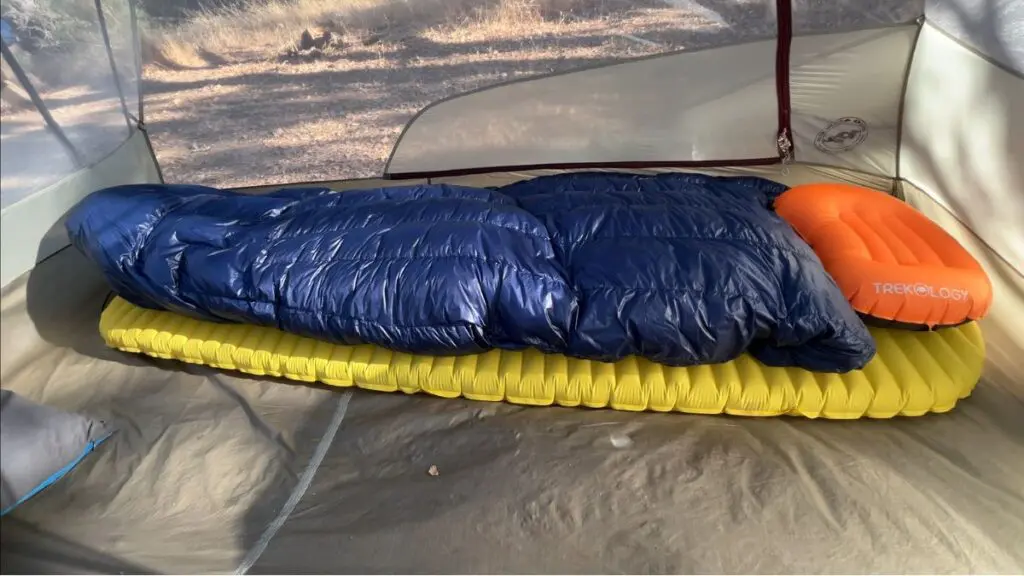
A backpacking quilt is the biggest weight and pack-volume win available to a weekend sleeper who’s still using a mummy bag — but picking one requires thinking through a few things that don’t come up in sleeping bag shopping.
This post covers six 3-season quilts in the 30°F band, selected specifically for the weekend warrior who wants warmth, manageable weight, and a sleep system that doesn’t require thru-hiker-level obsession to dial in. One of the six runs warm enough that it’s really a summer quilt — but it’s also the lightest option here by a meaningful margin, so if your trips run warm it’s worth knowing about.
My Picks
Best Overall: Enlightened Equipment Revelation 30
Best Value Cottage Quilt: Hammock Gear Burrow 30
Best Value: REI Co-op Magma Trail Quilt 30
Best for Cold Sleepers: Katabatic Gear Palisade 30
Best Value Cottage Quilt: Hammock Gear Burrow 30
How to Choose a Backpacking Quilt
Temperature Rating — What It Actually Means
Every quilt here carries a 30°F rating, but they don’t all mean the same thing. Most cottage brands publish a limit temperature — the lowest temp at which a typical sleeper won’t lose heat. Real-world comfort runs roughly 10°F warmer than that number. So a 30°F limit quilt is comfortable to around 40°F for most people. The Therm-a-Rest Vesper 32 is an outlier worth knowing: Therm-a-Rest publishes both limit and comfort ratings, and the Vesper’s comfort number is 41°F — effectively confirming it as a warm-weather and summer quilt despite the “32” in the name. If you’re buying for three-season Sierra or Southwest use with nights dipping into the 30s, the Vesper is not your quilt.
Cold sleepers need to build in margin. If you run cold, shop for a 20°F limit quilt and use these 30°F options as your baseline comparison. The Katabatic Gear Palisade 30 earns the cold-sleeper nod here not because its temperature rating is lower, but because its draft control is materially better than anything else in this set.
Quilt vs. Sleeping Bag — The Basic Trade
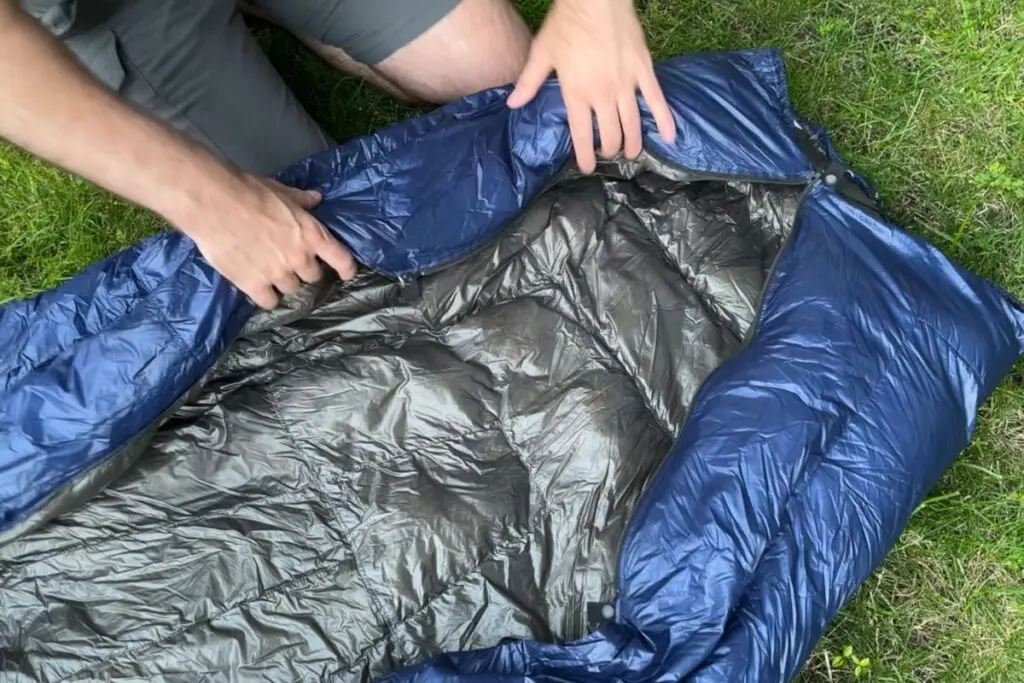
A quilt drops the bottom insulation (which compresses under your body weight and loses most of its thermal value anyway) and relies on your sleeping pad for ground insulation. The result is a lighter, more packable sleep system — but it’s also a system that requires a pad, and a quilt’s warmth is only as good as the R-value under you. If you’re pairing a 30°F quilt with an R-2 pad, you’ll sleep cold regardless of what the quilt specs say. Most three-season Sierra nights call for at least R-3 to R-4 underneath. The sleeping pad guide covers the pad side of this decision in detail — R-value, construction, and what actually matters for three-season use — get that sorted before you buy the quilt.
Draft Management
The honest truth about quilts is that they can draft. If you move around in your sleep, warm air escapes from the edges and you wake up cold. Manufacturers address this differently: elastic cords and clips that loop under the pad, sewn footboxes that seal the bottom, overstuffed draft collars at the neck. How much you care about draft control should drive a significant chunk of your buying decision. Active sleepers and cold sleepers should weight it heavily. If you sleep still and warm, the simpler attachment systems work fine.
Customization vs. Off-the-Shelf
Cottage brands (Enlightened Equipment, Hammock Gear, Katabatic) build to order. That means you can configure length, width, footbox style, and sometimes shell weight — but it also means 2-4 week lead times. The REI Magma and Sea to Summit Ember ship immediately and can be returned easily. For most weekend warriors, the cottage-brand lead times are a minor inconvenience worth tolerating for the better product; the off-the-shelf options exist for buyers who need it now or want easy returns.
Fabric weight also matters for durability: lighter 10D shells compress smaller and weigh less, but they’re more prone to snagging. If you’re rough on gear or new to quilts, a heavier 15D or 20D shell buys you meaningful durability margin — the weight penalty is minor, and avoiding an early seam failure is worth more than the grams.
Fill power measures loft efficiency, not absolute warmth — 850FP duck down and 850FP goose down deliver comparable insulation by spec, but goose down tends to loft slightly more consistently across its lifespan. For a weekend warrior the difference is marginal, but it explains why duck-down options can compete on price without a meaningful warmth trade.
| QUILTS | Temp Rating (°F) | Weight (oz) | Fill Power | Fill Type |
|---|---|---|---|---|
| Enlightened Equipment Revelation 30 | 30 | 17.5 | 850 | Duck down |
| REI Co-op Magma Trail Quilt 30 | 30 | 19 | 850 | Goose down |
| Hammock Gear Burrow 30 | 30 | 18.65 | 850 | Duck down |
| Katabatic Gear Palisade 30 | 30 | 19.8 | 900 | Goose down |
| Therm-a-Rest Vesper 32 | 32 | 15 | 900 | Goose down |
| Sea to Summit Ember 30F | 30 | 20 | 850+ | Goose down |
Best Overall Backpacking Quilt: Enlightened Equipment Revelation 30
The Enlightened Equipment Revelation 30 is the pick for most weekend backpackers who want a single quilt that works across the full range of three-season conditions. What makes it the overall winner isn’t any single spec — it’s the footbox system. A 20-inch zipper combined with a shock-cord drawcord means the Revelation can run fully sealed as a cocoon, partially open with a ventilated foot gap, or fully flat as a blanket. That range covers a mid-July Sierra night at 9,500 feet and a mid-June night at 6,000 feet without asking you to own two quilts.
The down is 850FP grey duck down, RDS-certified, untreated. In a typical 3-season context — low humidity, not sleeping through rain — that’s a non-issue. In the Pacific Northwest or in wet shoulder-season conditions, the lack of hydrophobic treatment is a minor knock. If damp climate is your regular situation, the REI Magma Trail Quilt 30 or the Katabatic Gear Palisade 30 both use treated down and deserve a harder look.
The Revelation’s biggest real weakness for weekend buyers is the order lead time — EE quotes 3-5 weeks on standard builds. If you’re buying for a trip in three weeks, that’s a problem. Plan ahead and it’s a non-issue.
Shell is 10D nylon with a PFC-free DWR finish. The 10D is genuinely light and the packed size is excellent, but it’s the shell that snagged in my tent door zipper on an early trip and tore — a clean reminder that lighter fabric requires more care. Handle the Revelation like a down quilt, not like a sleeping bag you can stuff in a hurry.
At 17.5 oz in Regular/Regular, it’s the second-lightest quilt here. It won’t win a gram-counting contest against the Therm-a-Rest Vesper 32, but the Vesper’s warmer comfort rating makes a direct weight comparison misleading.
For most weekend backpackers buying a single do-everything 3-season quilt, this is where the decision ends.

An ultralight 850-fill-power down backpacking quilt with an adjustable zip-and-drawcord footbox that converts from a sealed cocoon to a fully open blanket.
Not sure what gear you actually need?
Grab the free backpacking checklist I built after 120+ trips. It covers every category so you don’t overbuy or forget something important.
Get the Checklist →Free. No spam. Unsubscribe anytime.
Best Value Backpacking Quilt: REI Co-op Magma Trail Quilt 30
The REI Co-op Magma Trail Quilt 30 earns its spot here not just because it’s affordable relative to the premium options, but because of what it delivers at that position: 850FP water-resistant goose down in a Pertex Quantum shell, off-the-shelf availability at any REI, and a return policy that no cottage brand can match.
The 2024 redesign addressed the previous model’s main complaints — wider girth options were added, fill weight went up, and the footbox zipper-and-drawcord system now allows a full flat conversion. This is meaningfully better than the pre-2024 Magma, and older review weights circulating around the internet don’t reflect the current product.
The 15D Pertex Quantum shell is the only real spec disadvantage versus cottage-brand peers at a similar fill power. It’s heavier than the 10D shells on the Revelation or the Hammock Gear Burrow 30, which pushes the Regular weight to 19 oz. You’re carrying two extra ounces for the convenience of retail availability and hassle-free returns — that’s the honest trade. For most weekend warriors, that’s a reasonable deal.
Attachment uses two pad cords/loops to center the quilt on the pad. It works, but threading those loops in the dark inside a tent is the kind of thing that makes you appreciate the clip-and-cord systems on the cottage quilts. Not a dealbreaker, but set the system up at home a few times before your first night out.

A 30°F, 850-fill-power down trail quilt with a Pertex Quantum shell and convertible zip-cinch footbox, offered off-the-shelf at REI.
Best Value Cottage Quilt: Hammock Gear Burrow 30
The Hammock Gear Burrow 30 used to be a cleaner budget recommendation — it was sold as the “Economy Burrow” with 800FP duck down and a 20D-only shell. That product is gone. The current Burrow uses 850FP duck down and offers a 10D shell option alongside the original 20D. The price has moved accordingly. It’s now the most affordable cottage-brand quilt here, but “budget” framing no longer applies — it sits between the REI Magma at retail and the premium cottage options above it.
What Hammock Gear delivers at the current price is real customizability at a lower entry point than Enlightened Equipment or Katabatic: three widths (Slim, Standard, Wide), three lengths, optional zippered or sewn footbox, optional draft collar, 10D or 20D shell. The configurability is nearly as deep as the Revelation’s, and the 850FP duck down delivers — duck down at the same fill power spec is slightly less lofty per ounce than goose down, which matters at the margins, but not enough to be a deciding factor.
Two things to know before ordering: pad attachment costs extra — the cord-and-clip system that anchors the quilt to your sleeping pad and prevents drafts is an add-on kit, not standard — and the current lead time is running 12 business days. Factor both into your buying timeline.
For buyers who want deep cottage-brand customization at the lowest cottage-brand price point and are comfortable with basic pad cord attachment, the Burrow earns its spot. The 850FP duck down and full configurability hold up — you’re just not getting the Revelation’s footbox system or the Katabatic’s draft engineering at this price. If you’re a still sleeper who runs average or warm, that’s a trade you’ll never notice.

A customizable 850-fill-power down quilt with 10D or 20D shell options, available in multiple temperatures, widths, and footbox styles for ground or hammock sleeping.
Best Backpacking Quilt for Cold Sleepers: Katabatic Gear Palisade 30
The Katabatic Gear Palisade 30 is the most expensive quilt in this set, and the one with the most purpose-built approach to the quilt’s fundamental problem: cold air getting in.
The patented Cord Clip pad attachment system — 2mm cord that clips directly to the sleeping pad — draws near-universal praise from reviewers as the best draft-sealing solution on any quilt. Pair that with an overstuffed draft collar, an internal stash pocket that adds a structural seal at the neck, and a sewn trapezoidal footbox, and you have a quilt where the drafts that plague lighter options are effectively engineered out.
Fill is 900FP HyperDRY hydrophobic goose down in the current standard configuration. Older reviews cite 850FP duck down — that spec reflects an earlier production version of the quilt, not what’s shipping today. The 900FP HyperDRY spec is what you’re getting today.
The sewn footbox is the major functional trade. Unlike the Revelation or Magma, the Palisade does not open fully flat. If you run warm and want to vent, you’re limited to loosening the neck or partially unclipping the cord system. For cold sleepers and draft-sensitive buyers, the sealed system is the point — that trade is a feature, not a flaw. For someone who sleeps warm and wants versatility across a wide temperature range, the Palisade’s fixed geometry is the wrong tool.
At 19.8 oz, it’s toward the heavier end of the set. You’re paying a weight tax for the draft engineering. Cold sleepers and restless sleepers consistently report that it’s worth it; warm sleepers who occasionally run cold would be better served by the Revelation.

A premium 900-fill-power down quilt with a sewn footbox, overstuffed draft collar, and a patented cord-clip pad attachment system engineered to seal out drafts.
Therm-a-Rest Vesper 32
The Therm-a-Rest Vesper 32 is the lightest quilt in this set at 15 oz, and it’s legitimately impressive as a weight-optimization play. At that weight, with 900FP Nikwax Hydrophobic down in a box-baffled construction, it’s a well-built quilt from a brand with deep sleep-system credentials.
The problem is the temperature rating framing. “Vesper 32” implies a 32°F-capable quilt. The Vesper’s published comfort rating is 41°F — Therm-a-Rest publishes both numbers, and the comfort figure is what matters for normal sleepers on real trips. That’s warmer comfort performance than every other quilt in this set. Treat the Vesper as a summer and warm-shoulder-season quilt, not a three-season workhorse.
If your weekend trips run May through September in warm desert or lower-elevation Sierra conditions, the Vesper’s 15 oz is a real advantage and the 41°F comfort figure is probably fine. If you’re spending nights above 9,000 feet in September or October, this is not the quilt to be experimenting with.
On the hardware side, SynergyLink pad straps work best with pads 3 inches thick or less, and reviewers note the collar snap and drawstring combo has seen some QC variability — worth setting up at home before your first trip. The Vesper is for weight-focused buyers in known warm conditions — not for buyers trying to squeeze into three-season territory on the aggressive end.

An ultralight 900-fill-power hydrophobic down quilt with box-baffled construction and SynergyLink pad straps, built for minimal pack weight and size.
Sea to Summit Ember 30F
The Sea to Summit Ember 30F is the most convertible quilt here in terms of use-mode flexibility, and the only one in this set with a native integration system for pairing with a sleeping bag. The QuiltLock system lets you snap the Ember onto a Sea to Summit sleeping bag for a thermal boost, turning it into a functional overbag layer. That’s a useful feature for buyers building a modular sleep system, and it’s not something any of the cottage quilts offer.
As a standalone quilt, the Ember 30F uses 850+ FP Ultra-Dry goose down with a non-PFAS treatment and a recycled 10D nylon shell. Sea to Summit rates the comfort at around 35°F — more conservative than a raw 10°F comfort-over-limit estimate — and reviewers generally agree the rating is accurate. As a 30°F-band 3-season quilt, the Ember holds its own.
The footbox is the weak point. Rather than a sewn footbox or a dedicated cord-clip system, the Ember cinches via a drawcord and snaps together to form the footbox from a flat blanket configuration. The snap-together design leaves a potential cold-spot gap where the halves meet, and the snaps have a reputation for coming undone on restless sleepers. The convertible footbox is the feature that makes the Ember interesting; it’s also the feature most likely to wake you up at 3 a.m. Set it up at home and test your personal movement tolerance before counting on it in cold conditions. Do that, and the Ember is a legitimate 30°F quilt with retail availability and a modular upside no cottage brand offers.
Available at REI with all the return and exchange flexibility that implies. For buyers who want wide retail availability, a true 30°F band, and the option of using the quilt as an overbag layer down the road, the Ember earns a serious look.

A versatile 850+ fill-power down quilt that opens flat as a blanket or cinches into a footbox, with a QuiltLock system to pair with Sea to Summit sleeping bags.
The Complete Kit I Use on Every Trip
This post covers one piece of the puzzle. If you want to see everything I actually carry, I keep my full kit documented on one page.
After 100+ trips across the Sierra, the Pacific Coast, and Desert Southwest, this is the setup I’ve dialed in for three-season weekend trips. Same gear, trip after trip. It’s what I’d recommend to anyone building out a dependable kit without overpacking.
The Bottom Line
The Enlightened Equipment Revelation 30 is the right quilt for most weekend backpackers — the footbox versatility alone makes it work across the full three-season range, and the 850FP fill and 10D shell put it at a warmth-to-weight ratio nothing here beats at a comparable comfort rating.
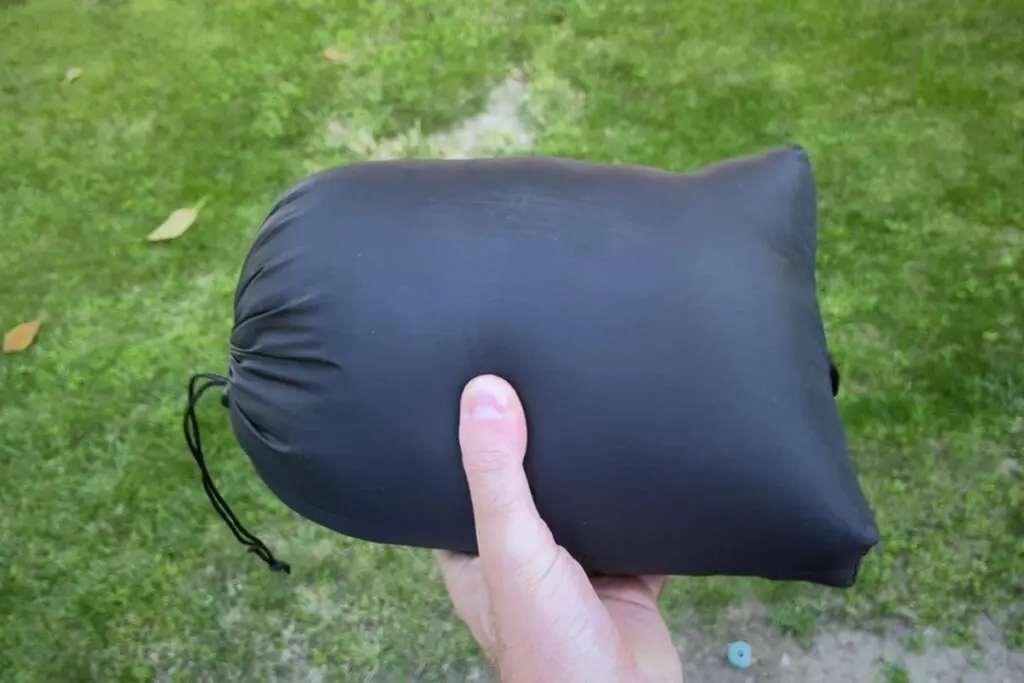
If you run cold or sleep restlessly, upgrade to the Katabatic Gear Palisade 30. The cord-clip pad attachment and sewn footbox are the best draft-sealing system in this set, and the 900FP HyperDRY down is premium by any current standard.
If you need it today and want retail availability with easy returns, the REI Co-op Magma Trail Quilt 30 is the straightforward pick. The 2024 redesign made it a better quilt, and the off-the-shelf access is a real advantage for buyers who can’t wait on a cottage-brand lead time.
The Hammock Gear Burrow 30 is for buyers who want cottage-brand configurability at the lowest cottage-brand price point. It’s no longer the budget option it once was, but the customization depth is real.
The Therm-a-Rest Vesper 32 is a summer quilt. Its 41°F comfort rating makes it wrong for three-season use with cold nights — buy it if you’re a weight obsessive camping in warm conditions, not as a default weekend quilt.
The Sea to Summit Ember 30F earns consideration if you want a true 30°F quilt available at retail, or if a modular overbag pairing is part of your longer-term sleep system build. Just know the snap footbox requires attention and testing before you depend on it in cold conditions.
Quilts are the most significant upgrade most weekend backpackers can make to their sleep system. Pair the right one with a sleeping pad that has enough R-value for your conditions, and the rest of building out a weekend kit falls into place.
Related Reading
Amazon and the Amazon logo are trademarks of Amazon.com, Inc. or its affiliates.